

























































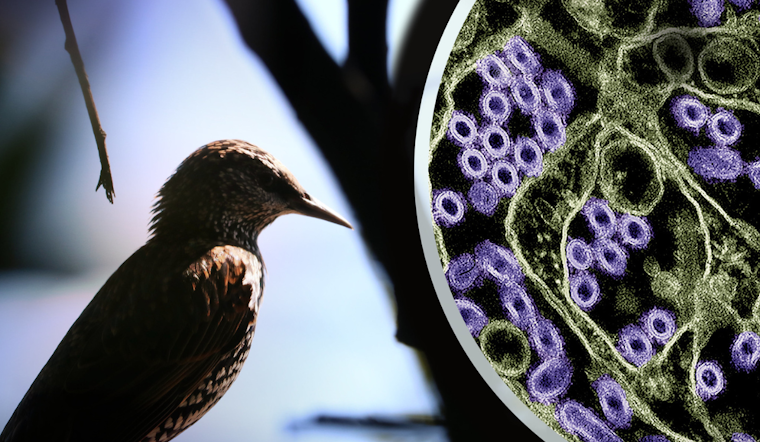
The Centers for Disease Control and Prevention has issued an update on the bird flu situation, indicating that while the virus is widespread among wild birds globally, and has led to outbreaks among poultry and dairy cattle on US soil, the risk to the general public remains low. As of last Friday, only one case has been confirmed in a Texas resident with exposure through dairy cattle, as reported on the CDC's Avian Influenza webpage, as per the City of Arlington.
Despite the minimal risk, certain groups, particularly those who come into contact with potentially infected animals like commercial or backyard poultry, wild birds, or mammals such as dairy cattle, are urged to take precautions. According to the CDC's recommendations, avoiding exposure remains the most effective preventive measure, although one confirmed case surfaced in Texas, where an individual employed in the dairy industry tested positive for the virus.
Precautionary steps include maintaining a distance from sick or dead wild birds, poultry, and other animals, and when contact is necessary, wearing appropriate personal protective equipment is advised. Additionally, surfaces or objects that may be contaminated should be avoided, and the consumption of raw milk or products from infected or suspected animals is discouraged. While the seasonal flu vaccine won't shield against bird flu, it's suggested to reduce the risk of a co-infection by getting vaccinated.
The CDC provides guidelines on how to address the discovery of sick or deceased birds. In Arlington, Texas, anyone encountering such cases on private property should contact Texas Parks & Wildlife at 512-389-4800. For those found on city property, Arlington’s Action Center at 817-459-6777 is the right point of contact, and for domesticated birds, the Texas Animal Health Commission or the USDA at 1-800-550-8242, or 866-536-7593 respectively. Pet bird owners should reach out to their veterinarians.





