

























































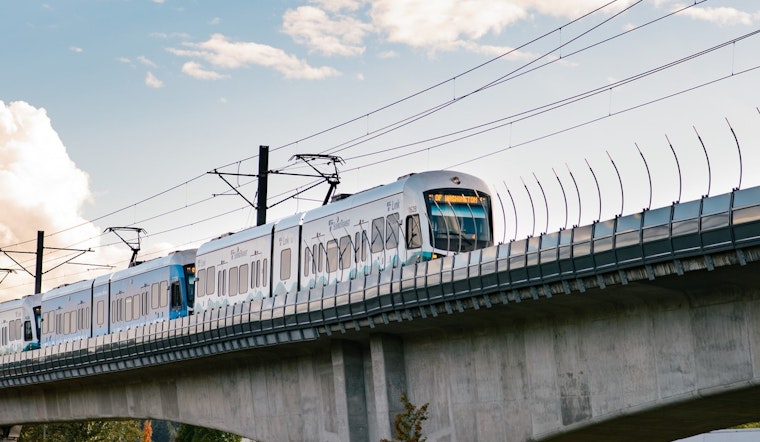
In an effort to accelerate the expansion of Seattle's light rail system, Mayor Bruce Harrell has signed an Executive Order aimed at streamlining the processes associated with one of the city's largest infrastructure projects. This initiative is intended to expedite the arrival of light rail to West Seattle and Ballard by improving the City of Seattle's coordination with Sound Transit. "We can't wait generations for it to be completed," Harrell stated, underscoring the necessity of swift action to enhance the region's transportation network and access to essential services.
The order consists of several pivotal actions, including the creation of the Office of the Waterfront and Civic Projects & Sound Transit, which builds upon Director Angela Brady's office's current capabilities. Brady has been recognized for her experience in delivering significant projects within the city. As detailed in the Mayor's announcement, these initiatives are geared toward expediting the light rail's delivery without compromising safety, enhancing the rider experience through focused station and community development. These efforts are backed by a substantial budget: $5.2 million for 2025, and $6.8 million the following year, designated for critical staffing across various City departments.
There are distinct components of this wide-reaching plan. The Mayor's Office will push for legislative changes to simplify permit processes by collaborating with the Seattle City Council, potentially altering land use codes, and supporting property transactions favoring the Sound Transit 3 infrastructure project. This strategic augmentation of human resources aims not only for timely adherence to regulations but also for superior design and construction outcomes.
The expansion under the Sound Transit Program has been historically managed by the Seattle Department of Transportation (SDOT), supported by a combination of full-time staff and part-time assistance. The new Office of Civic and Waterfront Projects & Sound Transit, working alongside SDOT, will focus on refining access to stations, navigating street use throughout construction phases, and more. In the words of Angela Brady, "Our Office has led over a decade of community involvement, design, and construction to successfully deliver on major investments that will forever shape Seattle's waterfront and our city's identity," Brady expressed her enthusiasm for this opportunity to apply her project delivery expertise to the transformational Sound Transit 3 Program.
When finalized, the extension projects will significantly expand Seattle's light rail coverage. The Ballard Link Extension is poised to provide 7.7 miles of new rail, including a second downtown transit tunnel, and is anticipated to be completed by 2039. The West Seattle Extension projects to add 4.1 miles to the network, with an expected completion by 2032. An infill station at South Graham Street will furnish an additional stop on the existing 1-Line, with an opening targeted for 2031.
Councilmember Dan Strauss, representing District 6 and also serving on the Sound Transit board, praised the Executive Order. "We need to build our light rail faster, as it is key to making Seattle more connected, affordable, and climate resilient," Strauss voiced his approval of the Mayor's initiative to reduce bureaucratic obstacles and bolster the city's infrastructure and community. The collaborative effort between the City of Seattle and Sound Transit as well as other stakeholders signifies a fortified push towards a more interconnected and sustainable urban habitat for Seattleites.
For more details on Mayor Harrell's Executive Order and its implications for the Seattle light rail expansion, view the order on the official City of Seattle website.





