

























































As Texas grapples with its worst measles outbreak in 30 years, San Antonio and surrounding areas have entered the fray with new exposure alerts. The Texas Department of State Health Services and the San Antonio Metropolitan Health District are on high alert after a Gaines County resident with a confirmed case visited a number of high-traffic public spaces, including university campuses and the bustling San Antonio River Walk.
According to Texas Public Radio, the individual's itinerary included Texas State University in San Marcos and the popular tourist attractions along the River Walk, among other locations. The Comal County public health officials also reported the individual stopped at a New Braunfels travel center. Dr. Anita Kurian, Deputy Deputy Director at the San Antonio Metropolitan Health District, cautioned, "Measles is a highly contagious virus that can lead to serious complications, especially in young children and individuals with weakened immune systems."
As reported by News 4 San Antonio, the troubling figure comes from Gaines County, which had the highest unvaccinated rate in the state this school year at 18 percent. This ties directly back to the larger conversation about vaccination rates and community immunity. Dr. Kurian has urged everyone to ensure they are up-to-date on their vaccinations.
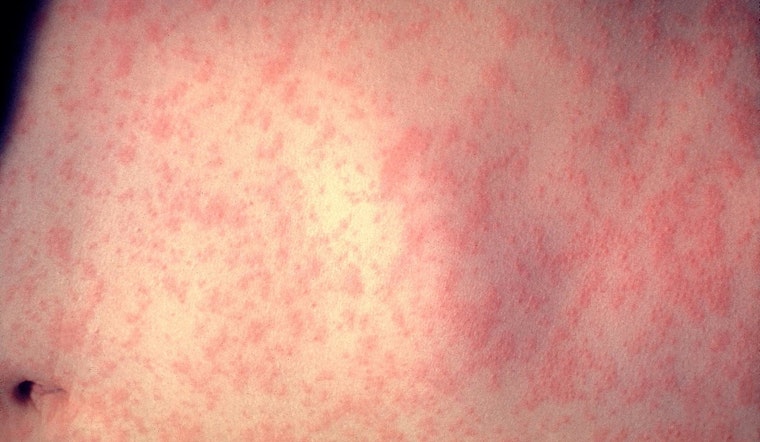
Amidst the outbreak, health officials are advising those who may have been exposed to review their vaccination status and immediately contact a healthcare provider if they are pregnant, have an infant, or have a weakened immune system. Symptoms to watch for include fever, cough, runny nose, red and watery eyes, and the distinctive measles rash. Hays County Health Department, collaborating with state health services, is actively investigating potential contacts and will be reaching out to individuals known to have been in proximity to the infected person.
With a highly contagious disease like measles, rapid response and community cooperation are critical. Texas Public Radio’s coverage stressed the importance of those who may have been exposed taking necessary precautions such as staying informed and being proactive about health care. On the ground, public health efforts are focusing on early detection and vaccination to prevent any further spread of this preventable disease.





