

























































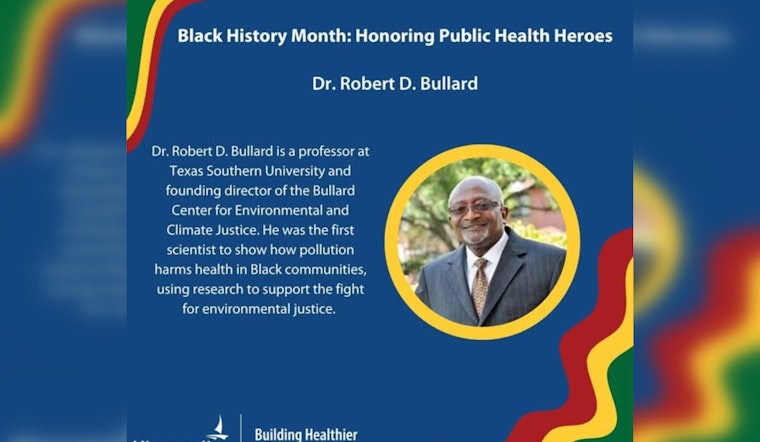
In the realm of public health, diverse leaders have long been at the forefront of community wellness and medical innovation. The City of Minneapolis Health Department took to social media on February 22nd to honor a legacy of Black leaders whose profound contributions have shaped the landscape of public health. These leaders' dedication to equity and education have not only illuminated systemic disparities but have also forged paths to surmount them.
Highlighted was Dr. Robert D. Bullard, revered as the first scientist to consistently show, through steadfast research, how pollution disproportionately impacts Black communities. His pioneering work has been pivotal in the fight to establish environmental justice and health equity. Dr. Goldie S. Byrd, another celebrated figure, has concentrated her research on Alzheimer’s, particularly within communities of color. Byrd’s work has provided a beacon of understanding in this space and has led to the founding of a support center for African American caregivers. Meanwhile, Dr. Virginia Caine has been on the frontline, to tirelessly work on expanding HIV/AIDS education and care, reflecting her commitment to public health leadership.
The Minneapolis Health Department's acknowledgment extends beyond praise, manifesting in initiatives like the Public Health Pathways Program (PHPP). This program is designed as an investiture into the future, to deliberately provide BIPOC youth with tangible experience in public health, helping them to not only explore but also to potentially fulfill, a career in the field. This mentorship and practical immersion embody the department's commitment to fostering the next generation of diverse leaders in health.
The recognition of these trailblazing individuals underscores a broader discourse on representation in public health. It is not only about honoring the past, but about laying down the structural groundworks that will enable a continuous rise of BIPOC professionals who are inspired and supported to confront and solve the health challenges of our time. The City of Minneapolis Health Department, through its Public Health Pathways Program, is placing a definitive stake in the ground for equity, a move that seeks to ensure that the legacy of innovators like Drs. Bullard, Byrd, and Caine is carried forward by those who stand to follow.



