

























































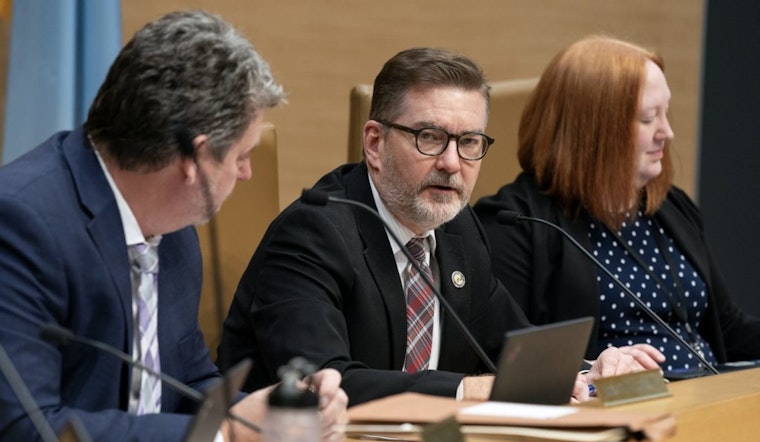
In an effort to mitigate the financial strain of summer energy costs on Minnesotans, Senator Scott Dibble (DFL-Minneapolis) has introduced SF 486, a bill proposing a state-level energy assistance program. The legislation was deliberated by the Senate Energy, Utilities, Environment & Climate Committee this Wednesday, spotlighting the growing need for support during peak summer temperatures.
The bill aims to fill a summer gap left by existing federal programs, in recognition of the increasing energy expenses Minnesotans face as the climate shifts and temperatures rise. "More and more Minnesotans are struggling to afford basic necessities in our state, especially as a changing climate increases the demand on energy use during record hot summers," Sen. Dibble articulated. He emphasized the urgency, noting, "More Minnesotans experience energy shutoff in the summer than the winter, with many experiencing extremely serious health consequences as a result."
Qualifying for the program would be households with income below 60 percent of the state's median, much like existing winter assistance thresholds. SF 486 comprises crisis grants for those on the brink of energy service termination, ongoing subsidies for monthly bills, and provisions for emergency heating system repair or replacement.
Minnesota would join the ranks of 26 other states and the District of Columbia if this legislation passes, showcasing a widespread recognition of the increased burden that summer energy demands place on residents. The bill has garnered support from a variety of stakeholders, including "community groups, energy providers, and consumer protection advocates," as reported by the original statement from Sen. Dibble’s office. Despite this backing, further movement on SF 486 is yet to come, as the bill was laid over for future consideration.
As Minnesotans continue to wrestle with the economic pressures of staying cool during the summer months, the proposed legislation could provide a critical lifeline for many. The ongoing debate in the state Senate serves as a crucial reminder of the ongoing challenges posed by climate change and the need for adaptative domestic policies that shield our most vulnerable citizens from its repercussions.



