

























































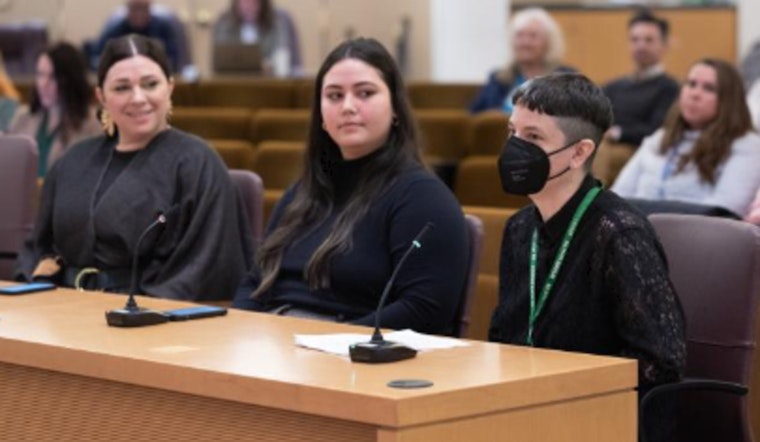
January in Multnomah County took on a deeper significance this year as the Board of Commissioners dedicated it to raising awareness about trafficking, proclaiming it Human Trafficking Awareness and Prevention Month. According to Multnomah County, the move comes in response to the persistent and pervasive issue of trafficking within local communities and the newly appointed Commissioner Meghan Moyer was at the forefront of the proclamation.
"I want to emphasize that this is not a problem imported from elsewhere; it is intrinsic to our society," Moyer told Multnomah County. She highlighted that most victims of sex trafficking are trafficked by someone they know, a fact that stands in contrast to the common narrative and stereotypes around the issue. The Multnomah County’s Sex Trafficking Collaborative, which started in 2009, has been active in providing a holistic approach to tackling the problem. Chair Jessica Vega Pederson shared insights into the county's history of programs centered around connecting with survivors and creating a network of support beyond the justice system.
In particular, the New Day Program has been instrumental in addressing the specialized needs of sex trafficking survivors aged 12 to 25. The focus on communities of color and LGBTQIA2S+ communities is especially vital, considering these groups' increased vulnerability to exploitation, as explained by sex trafficking senior strategist Claire Barrera in a Multnomah County News report. The New Day Program, since its inception in 2018 through 2024, has served 623 young individuals identified at high risk or as survivors of sex trafficking.
The Immigrant and Refugee Community Organization (IRCO) complements these efforts through its Services Against Exploitation program, which served 77 survivors and their family members last fiscal year, according to Barrera. However, she warns global issues like armed conflict and environmental catastrophes, in conjunction with growing anti-immigrant sentiment in the U.S., compound the risks faced by immigrants and refugees, making them increasingly susceptible to being trafficked.
"Our collaborative includes law enforcement, prosecutors, mental health providers and culturally specific advocacy programs, among others. We also have our Community Advisory Board to ensure that people with lived experience in trafficking have a voice in the work we do," Barrera underscored in her discussion with Multnomah County.


