

























































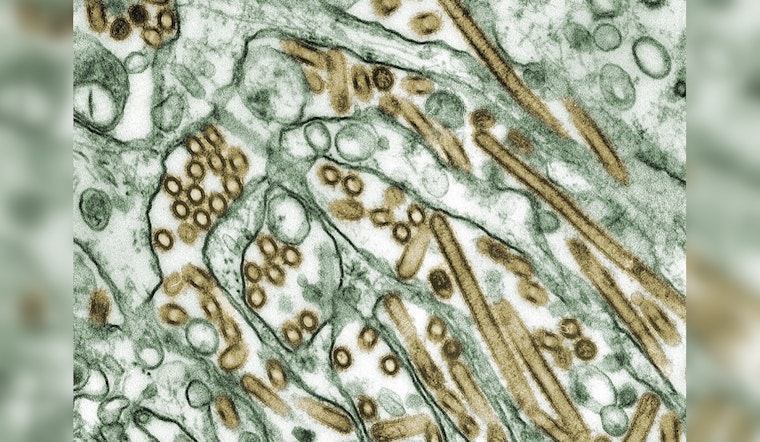
An Oregon cat has tested positive for the Highly Pathogenic Avian Influenza (HPAI), also known as avian influenza type A H5N1, according to a recent announcement. The outdoor cat hailing from Washington County demonstrated several symptoms including "a fever, runny nose and eyes, lethargy, difficulty breathing and loss of appetite," a situation which prompted a veterinarian visit and subsequent pneumonia diagnosis, as reported by the Oregon Department of Agriculture (ODA).
The veterinarian quickly to notify the ODA about the suspected case, kickstarting a collaborative testing process that involved the Oregon Veterinary Diagnostic Laboratory (ODVL) at Oregon State University and the U.S. Department of Agriculture's National Veterinary Services Laboratories (NVSL). While a complete genomic sequence is still in the works, early test results showed that the infected cat carried an H5N1 virus distinct from the strain found in dairy cattle in other states. As of now, ODA has not confirmed any cases of H5N1 in Oregon cattle.
This incident highlights the susceptibility of cats—as well as wild cats like tigers, mountain lions, lynx—to H5N1 avian influenza. The case also highlights the importance for pet owners to exercise caution and adhere to best practices to protect their pets from exposure to such viruses. Dogs have been reported to contract H5N1 as well, but they seem less susceptible compared to their feline counterparts.
In light of the diagnosis, ODA has issued several recommendations for pet owners to help prevent the transmission of H5N1. "Do not feed your pet undercooked or raw meat, including uncooked or freeze-dried meat-based diets, treats, or animal products," and "do not feed your pet raw (unpasteurized) milk or colostrum," are just a couple of the guidelines shared. Furthermore, the department emphasizes to keep pets at bay from interactions with wild birds, poultry, and cattle, especially in H5N1 outbreak zones. They also advise pet owners to "prevent pets from eating birds or other wild animals," and to engage in thorough handwashing post-contact with raw meat or animals outside the household. It's recommended to change clothing and shoes after such contact before mingling with household pets.
Pet owners with concerns about their animal's health or potential exposure to H5N1 are urged to contact a veterinarian. Veterinarians have been instructed to report any suspected cases of influenza in animals directly to the ODA at (503) 986-4711. These measures are crucial for not only protecting pets but also for minimizing the risk of cross-species transmission that could further spread the virus.





