

























































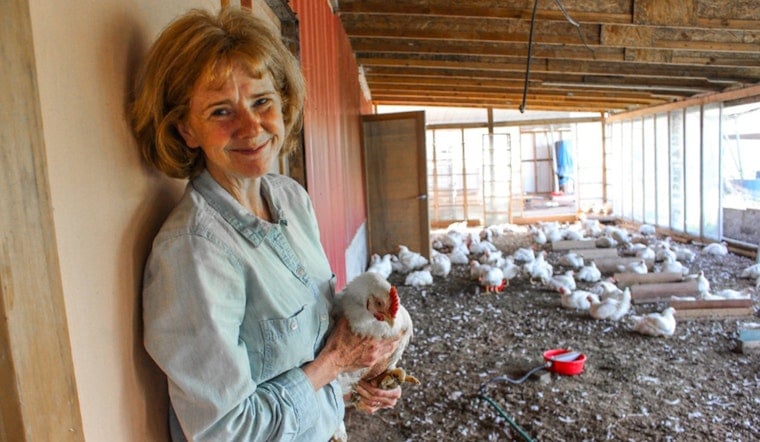
Biosecurity practices include limiting farm access, requiring visitors to wear boots, coveralls, and gloves, and sanitizing before entry. Hands should be washed with soap and water after handling livestock, feed, or equipment, or sanitized if soap and water are unavailable. These measures help maintain animal health and farm operations, as stated by the Department of Agriculture.
Equipment and vehicles require regular decontamination to prevent infections. "Saturate by submersion or spray with 10 percent bleach (sodium hypochlorite), 1% Virkon®S (DuPont), or other applicable disinfectants per label instructions." Animal living areas should also be kept clean by removing manure, repairing drainage, and quarantining new animals for at least 30 days to minimize the risk of illness. Limiting the movement of animals on the farm is also recommended to help prevent outbreaks, as reported by the Department of Agriculture.
Vaccinations, health checks, and regular monitoring are key to preventing disease in livestock. Working with a veterinarian and training the team on proper hygiene and safe animal handling are important steps. Personal protective equipment, like gloves, boots, and masks, should be used when handling animals, especially sick ones. Proper disposal of Personal protective equipment is also essential to avoid contamination. According to the Department of Agriculture, "You can significantly reduce the risk of disease outbreaks and protect human and animal health by implementing these essential biosecurity practices."





