

























































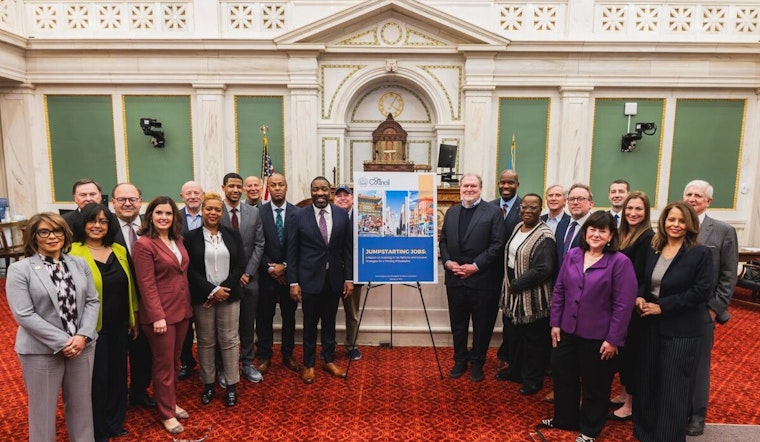
Philadelphia's Tax Reform Commission has unveiled a series of recommendations designed to directly tackle the city's soaring poverty rates and lagging economic opportunities. A report released yesterday details these proposals aimed at revamping the tax code to benefit residents and businesses alike. With a poverty rate of 20.3%, the highest among the nation's ten largest cities, and a reputation for its challenging tax system, changes to the existing structure are being positioned as a necessary step towards reversing the city's economic misfortunes.
Council President Kenyatta Johnson highlighted the urgency of these reforms by stating, "Philadelphia's economy is underperforming, and it's driving many of our residents into poverty." Johnson has outlined the need to transform the city's unique tax structure to promote job growth and alleviate the cycle of poverty. To do so, recommendations include slashing the Business Income and Receipts Tax (BIRT) and reducing the wage tax, which currently stands as one of the highest in the country, to support both businesses and workers in making ends meet more easily.
The Commission suggests a multipronged approach, which not only aims to eliminate the BIRT over the next 8 to 12 years but also to steadily reduce the wage tax to a rate at or below 3 percent, providing much-needed predictability for business planning and expansion. Furthermore, they are proposing the creation of the Jumpstart Fund, which will reinvest a percentage of the BIRT tax revenue reductions to fuel job growth in the city.
Additionally, to ensure sustainability and effectiveness, the Commission has put forth a call for policy changes at the state level. This includes advocating for a $15 minimum wage, preserving the Sterling Act, and securing approval for market-based sourcing of services and intangibles. Also among their proposals is to improve the city's tax relief program enrollment rates and revising the city wage tax refund process to greatly aid eligible lower-income workers.
Economic opportunity, according to Matt Stitt, Co-Chair of the Tax Reform Commission, is a central aspect of their vision. Stitt conveyed, "We want the city to be an easier place for small businesses to grow and thrive in our communities, and the best way to start is to create a tax structure that no longer overburdens Philadelphia business owners." With the implementation of these strategies, the Commission envisions the creation of tens of thousands of new jobs within five years, substantially lifting Philadelphians out of poverty.
The Commission's formation and the development of their recommendations were made possible through Resolution #240108, which City Council approved overwhelmingly in February 2024. The 15 members of the Commission represent diverse sectors of Philadelphia's economic landscape, including appointments by Mayor Cherelle L. Parker, the Council President, City Controller, and local Chambers of Commerce.




