

























































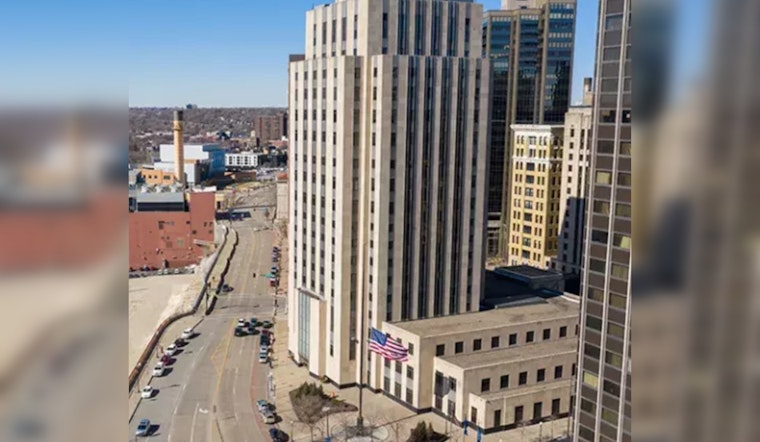
The Saint Paul Heritage Preservation Commission (HPC) once again convenes to weigh the balance between progress and preservation. In their upcoming meeting, the panel is slated to deliberate on a set of proposals that could alter the architectural tapestry of the city's historic districts. Of particular interest is a repeated agenda item regarding the reconstruction of a front porch within Dayton’s Bluff Historic District, first introduced in their February 10, assembly but deferred for further discussion.
This time around, the HPC's agenda, published on February 13, also presents a pre-application for the demolition of a garage and construction of an accessory dwelling unit (ADU), along with a rear addition at a property within the Summit West Historic District. These proposed changes are evocative of the constant evolution of land use and the necessity for modern amenities even within areas of historical significance.
Engagement from Saint Paul's community is encouraged by the HPC, as the commission has outlined the procedures for public participation. Testimony can be submitted via email, and those intending to speak at the public hearing are required to disclose their full name and address. In alignment with the HPC's guidelines, each speaker will be allotted two minutes to address the commission, focusing exclusively on the evaluation of the proposed project.
The importance of community input in such matters cannot be overstated, as each decision the HPC makes reverberates through the corridors of history and impacts the architectural legacy of Saint Paul. The commission ensures that information on agenda items is readily available online for those interested in the intricate details of the proposals. Citizens can find this data and the established protocols for public engagement on the HPC's webpage.
As the day of the meeting approaches, all await the commission's chair to wield the gavel — a symbol of order and direction — as the agenda comes to life and its items are scrutinized under the lens of preservation and development. The assembly will conclude with the adoption of the agenda and, eventually, adjournment, bookmarking yet another chapter in the continuous narrative of Saint Paul's historic preservation efforts.



