

























































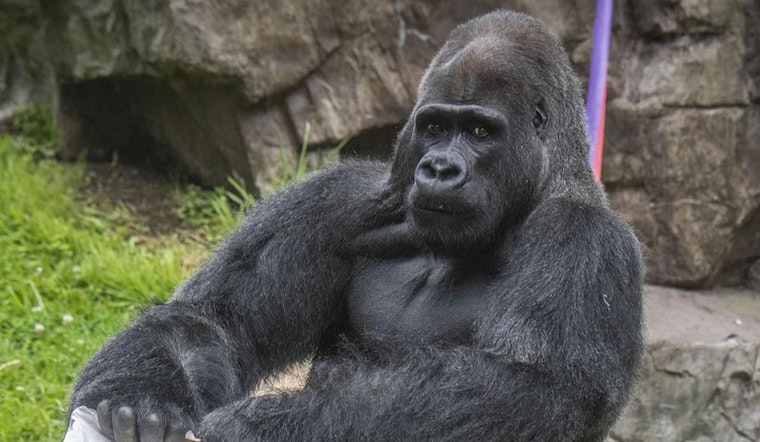
The San Francisco Zoo lost its beloved silverback gorilla Oscar Jonesy on Thursday afternoon when the 43-year-old Western lowland gorilla died unexpectedly following a medical procedure. The third-oldest male of his critically endangered species living in any U.S. zoo, Oscar had been the patriarch of the zoo's gorilla troop since arriving from Buffalo in 2004.
Oscar's death occurred during what should have been a routine recovery from anesthesia. The procedure initially went well, but the gorilla suddenly became unresponsive and stopped breathing despite the presence of veterinary specialists from Stanford. The zoo's Chief Veterinarian Dr. Adrian Mutlow confirmed that no signs of serious illness were found during the examination, leaving the exact cause of death unclear pending necropsy results from UC Davis.
Anesthesia Risks in Great Apes
The tragic incident highlights the well-documented dangers of anesthesia in aging great apes. According to The San Francisco Standard, animal advocate Justin Barker noted that since 2020, at least three silverback gorillas in U.S. zoos have died following anesthesia-related complications. A 2007 study published in the Journal of Veterinary Anaesthesia and Analgesia examined nearly 1,200 cases and found that great ape anesthesia carries a particularly high risk of mortality for sick and aged patients.
This pattern extends beyond San Francisco. In December 2024, Franklin Park Zoo in Boston lost 38-year-old Kitombe shortly after he was placed under anesthesia following health concerns. These incidents underscore the complex medical challenges zoos face when treating elderly gorillas, who typically live 30 to 40 years in the wild but can survive into their 50s in captivity with proper care.
A Legacy Marked by Tragedy
Oscar's tenure at the San Francisco Zoo was marked by both triumph and heartbreak. As CBS News Bay Area reported, he fathered Kabibe in 2013, but the infant gorilla died tragically just 16 months later when she was crushed by a hydraulic door while being moved to night quarters. The incident led to a federal investigation, with the zoo ultimately paying a $1,750 fine for negligence after staff members raised concerns about safety issues with the gorilla enclosure doors.
The Jones Family Gorilla Preserve, where Oscar lived, now houses only three adult females: Bawang, Monifa, and Kimani. Executive Vice President of Animal Care Dominick Dorsa told The San Francisco Standard that as the troop's leader, Oscar provided a sense of calm and mediated conflicts, with the females deferring to his authority.
Zoo Under Fire
Oscar's death has intensified criticism of the San Francisco Zoo's leadership and safety record. In Defense of Animals immediately called for CEO Tanya Peterson's resignation, citing a pattern of animal deaths and safety failures at the facility. The organization noted that 97% of zoo union members voted no confidence in Peterson in 2024, citing a toxic work environment and neglect of safety concerns.
Recent months have brought mounting pressure on the zoo's administration. According to CBS News Bay Area, an October 2024 audit by the San Francisco Animal Control and Welfare Commission described the 95-year-old facility as "extremely outdated" and "unsafe for visitors and animals." Major donor John McNellis publicly announced he would withhold funding until new administration takes over, calling it the "most run down and dilapidated zoo" he had ever seen.
Adding to the controversy, the zoo is pursuing a $25 million project to acquire giant pandas while existing facilities deteriorate. Critics argue this diverts essential resources from addressing urgent infrastructure and safety needs for current residents.
Conservation Crisis
Oscar's death represents a significant loss for Western lowland gorilla conservation efforts. The species is classified as critically endangered by the International Union for Conservation of Nature, with populations declining by more than 60% over the past 25 years due to poaching, habitat loss, and disease. The Ebola virus alone killed an estimated one-third of wild western lowland gorillas in the early 2000s, according to conservation reports.
While recent surveys have found approximately 361,900 western lowland gorillas remaining in the wild—more than previously estimated—recovery remains uncertain. Scientists calculate that even if all threats were removed, the population would require 75 years to recover to sustainable levels. Only about 22% of wild western lowland gorillas live in protected areas, leaving the majority vulnerable to continued threats.
Moving Forward
The zoo announced that veterinarians from UC Davis School of Veterinary Medicine conducted a necropsy on Friday to determine Oscar's exact cause of death, though results had not been released by late Friday. Animal welfare groups continue to push for reforms, with In Defense of Animals urging the zoo to abandon its panda acquisition plans and focus on immediate improvements for existing animals.
As the Jones Family Gorilla Preserve's three remaining females adjust to life without their silverback leader, questions persist about the zoo's future direction. The facility, located at Sloat Boulevard and the Great Highway, faces critical decisions about leadership, infrastructure investment, and its role in conservation efforts for critically endangered species like the Western lowland gorilla.



