

























































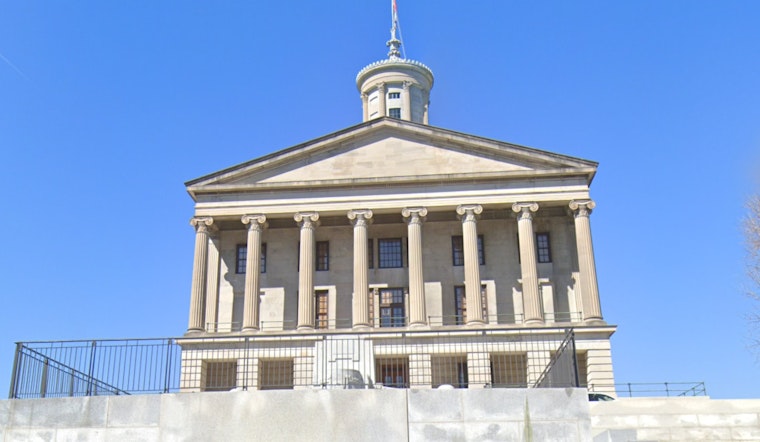
Tensions rose in the state capitol as House Bill 793, a contentious piece of legislation which could allow Tennessee public schools to refuse undocumented immigrant students, advanced from the House Education Committee. Prior attempts of the student protesters to plead their cases, offering impassioned chants and holding up signs, appeared to be in vain when the bill passed, as reported by WSMV.
Opponents of the bill, who flooded the Cordell Hull Building with protests, argue that it is not only a moral misstep but also a potential violation of constitutional protections. The 1982 U.S. Supreme Court decision, Plyler v. Doe, guarantees public education access regardless of immigration status, as emphasized in an article from FOX 17. "This is wrong," remarked protester Jermaine Cole. "As soon as you understand that when you’re violating one of us, you’re attacking all of us."
Supporters, standing behind the bill, state that their focus is financial stewardship. As Representative Scott Cepicky pointed out, significant state and local tax dollars are being allocated to the education of English language learners. During the intense discourse prior to the committee's vote, Cepicky said that $235 million was budgeted for these students, including $231 million from state funds and $70 million from local sources. Mia Ayarza, whose parents are immigrants, expressed her frustration to WSMV: "It’s very frustrating to the point where you want to cry about it, because you feel hopeless for the children."
The bill does not come without its detractors within the legislative body, fighting what they believe is an unfair characterization of their constituents. Speaking to House Bill 793, Representative Pearson articulated his disappointment, stating to WSMV, "I am very disappointed but I’m not shocked that folks are continuing to make immigrants second-class and third-class citizens, even children." The bill's advancement sets a concerning precedent, but as noted by NewsChannel 5, the path to enactment includes several more steps and potential legal challenges that could arise due to the federal constitution's position on educational access.
As the debate continues and the bill moves to the Government Operations Committee for further consideration, the voices of protesters and the reverberations of their chants may echo through the halls of power, but the committee's decision remains on record. Notably, a parallel version of the bill is making its way through the Senate, implying that the conversation on education access for undocumented students still has chapters to be written.



-4.webp?w=160&h=400&fit=crop&crop=edges)
