

























































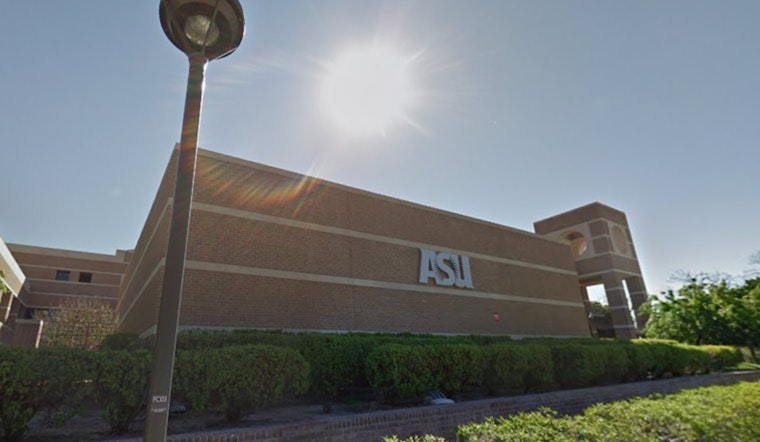
The clock is ticking for Arizona high school seniors intent on ensuring their college education is financially secured, with a critical deadline looming on April 1. The Arizona Promise Program, tailored to support low-income students, stands ready to cover remaining tuition and fees at Arizona State University, University of Arizona, and Northern Arizona University, shouldering a substantial part of the higher education economic burden. As reported by ABC15, eligibility for the program comprises a combination of a submitted Free Application for Federal Student Aid (FAFSA) by the following Tuesday, the award of Pell Grants, and the maintenance of at least a 2.5 GPA.
Application rates, climbing higher than in years past, stand testament to the program's outreach success. As noted by the Arizona Board of Regents' Julie Sainz and relayed by ABC15, "As of March 24, 29% of high school seniors have submitted their FAFSA," signaling a cautious optimism for increased educational access. Yet, contrasting the rising numbers, a narrative of untapped potential persists with seven out of ten seniors still outside the aid circle. Former Promise Program recipient Alexia Buelna, who spun her educational opportunity into a career as a recruitment coordinator, provides a beacon of hope, courageously stating, "Moving forward I don’t feel stress about if I will qualify for all of these jobs because I have a college degree."
In a wider context, the cascade of financial aid deadlines underscores the urgency for prospective students nationwide. According to information compiled by Fastweb, the FAFSA form, now more user-friendly following a beta run, opened for the 2025-26 academic year, urging students to apply for aid between the period of July 1, 2025, to June 30, 2026. Students eager to unlock federal and state financial aid, including Federal Work-Study programs, must act swiftly, as funds are typically dispensed on a first-come, first-served basis.
Navigating the labyrinth of state deadlines presents its own set of challenges and opportunities for students. For instance, states like California and Indiana have deadlines that have been established as early as March and April of 2025. Pell Grants, a centerpiece of college funding, do not require repayment, offering a financial lifeline that resonates with Buelna's sentiment that "A lot of us thought going to college was unachievable because it is so expensive." Proactive filing, ideally as close to the form's release date as possible, can be the difference between a manageable academic year and a fraught scramble for last-minute funding, as reported by ABC15.
Opportunity beckons with each state's deadline, and while Arizona's is imminent, other state deadlines scatter across the calendar, obliging students and families to mindful planning. The full list of FAFSA state deadlines for the 2025-26 academic year, as detailed by Fastweb, lays out a roadmap for seizing financial aid and charting a course for higher education, free from the shackles of economic uncertainty. The Arizona Promise Program and similar initiatives across the nation stand as testaments to the shared belief in education as a pathway to personal and professional enrichment.


