

























































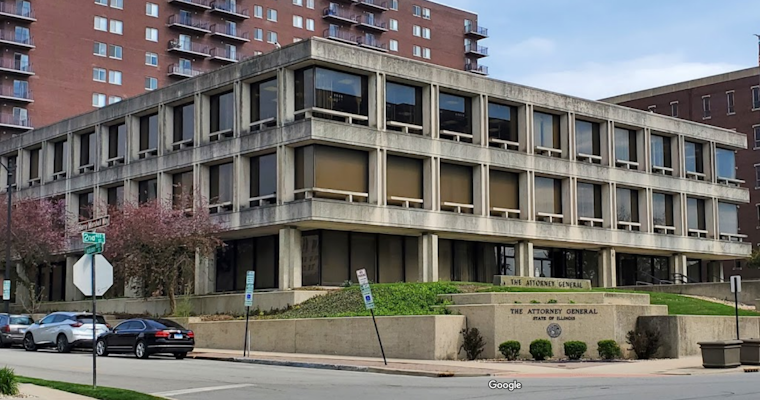
Stepping into the legal fray, Attorney General Kwame Raoul has rallied a coalition of 22 attorneys general to demand the Trump administration release frozen federal emergency funds. Hinging on a motion filed with a Rhode Island district court, the group stands firm against what they deem an "illegal and destructive freeze." This obstruction has held up vital FEMA grants, hampering the states' capacity to prepare for and recover from an array of calamities, from cyber threats to natural disasters.
Digging into the case's specifics, despite being bound by a temporary restraining order (TRO) and multiple court orders, the Trump administration has seemingly dug its heels in, withholding funding. As reported by the Illinois Attorney General's office, this financial logjam isn't just inconvenient; it endangers programs that could save lives and property in the face of terrorism, cataclysmic weather events, and other emergencies.
Emphasizing the gravity of the situation, Raoul stated, “Every state relies on federal funding to help rebuild communities and allow families to recover from the devastation caused by natural disasters.” Delving into the gravity of the situation, he further illuminated how “the increased occurrence and strength of natural disasters” has only heightened the necessity for unfettered access to these federal reserves. This ongoing resistance by the Trump administration, in the face of repeated legal demands, presents a chilling disregard for both legal mandates and human welfare.
In Illinois, the stakes are high, as articulated by Attorney General Raoul, over $200 million in FEMA funds directed to the Illinois Emergency Management Agency (IEMA) remains in the lurch. It's a sum that's vital to not just disaster readiness but also to the recovery efforts that follow calamity's strike. With state programs teetering on the brink of financial drought, the coalition's second enforcement motion, born out of legal necessity, seeks to compel the administration with a court directive to unlock these funds.
The states standing shoulder to shoulder in this legal battle cross the nation, from Arizona to Wisconsin, suggesting the issue transcends regional lines, uniting a diverse coalition in pursuit of common justice.





