

























































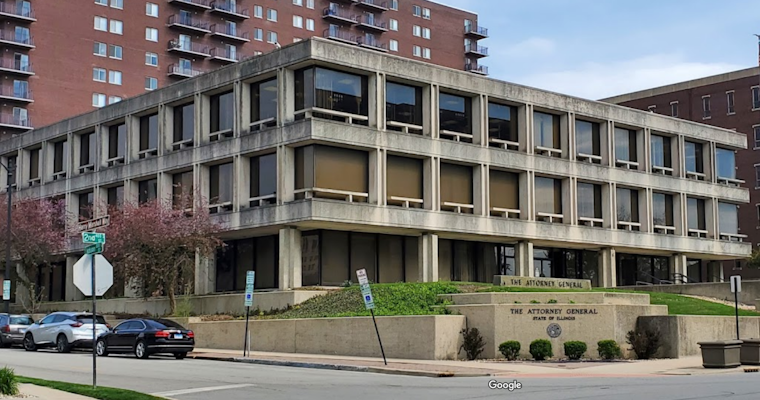
In a strong response to federal attempts to curb diversity and inclusion initiatives in educational institutions, Attorney General Kwame Raoul, with colleagues from Massachusetts and New York, has issued fresh guidelines to ensure K -12 schools, colleges, and universities are clued in on how to legally uphold these values. The collaboration, roping in a total of 15 attorneys general, has set out to dispel confusion and push back against critics following a Trump-era executive order and subsequent communications from the U.S. Department of Education that aimed to undermine such policies in schools.
"Diversity, equity, inclusion and accessibility initiatives do more than prevent discrimination – they promote respect, understanding and the celebration of diverse perspectives," Raoul said in the guidance release. This directive serves as an update to previous guidance from the Commonwealth of Massachusetts after the 2023 Students for Fair Admissions Inc. v. President and Fellows of Harvard College ruling, which opponents of diversity initiatives have tried to improperly stretch well beyond its legal implications.
The newly issued guidance argues that these diversity and equity programs fit snugly within the framework of the law. Institutions of higher education, in particular, are encouraged to continue setting goals regarding student body diversity and equitable outcomes for all students, and they should utilize all legal strategies at their disposal to achieve these aims. While the landmark Supreme Court case SFFA versus Harvard limited the considerations of race in admissions, schools are still at liberty to diversify applicant pools through outreach and recruitment that doesn't give preference based on race, ensuring a fair chance for all.
For younger students, the multistate guidance upholds the importance of a safe and supportive educational climate, urging K -12 schools to review and adjust practices in compliance with anti-discrimination and civil rights laws. It suggests that educational leaders embrace programs and policies that reflect best practices and serve community needs, preparing students, including those from historically underrepresented backgrounds, for future college or career success.
Apart from standing up for diversity in the educational sphere, Raoul has also led efforts in the workplace, co-heading a coalition last month that issued similar guidance for businesses. His stance has also encompassed denunciations of baseless critiques against the FBI and outreach to Fortune 500 companies and the American Bar Association – emphasizing legality and sending a steady message of encouragement for continued progress toward diversity, equity, inclusion, and accessibility. Standing with Raoul, Campbell, and James in this educational initiative are attorneys general from California, Connecticut, Delaware, the District of Columbia, Maine, Maryland, Minnesota, New Jersey, Nevada, Oregon, Rhode Island, and Vermont.





