

























































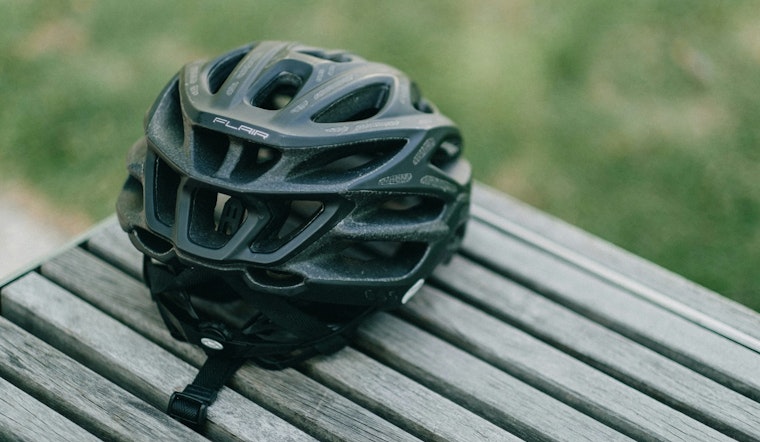
As we stride deeper into March, also known as Brain Injury Awareness Month, it's time to reflect on a piece of protective gear that's too often neglected: the humble helmet. The Blaine Police Department has been active on social media, pushing a straightforward message about brain safety. "Whether you're riding a bike, motorcycle, scooter, rollerblades, or skateboard, a helmet is your best defense against serious head injuries," the department asserted in a Facebook post. Their emphasis is on the real numbers: helmets can reduce the risk of brain injury by up to 88% in the unfortunate event of a crash.
This call for increased usage of helmets is not just a casual reminder. It is a plea to take responsibility for our own safety and encourage others, particularly the youth. As the police department notes, a helmet should fit snugly and be properly fastened to function as intended. However, adults have a critical role to play beyond donning their own protective gear. By setting an example for children, we reinforce the notion that protective gear is essential. Yet the simple act of wearing a helmet can sometimes be overlooked in our rush to embrace the wind on our faces.
While the Blaine Police Department is doing its part to raise awareness, the effort to protect our noggins doesn't begin or end with a single social media post or a police department initiative. The community's role in perpetuating a culture of safety is paramount when it comes to reducing head injuries. Education and enforcement go hand in hand, helping to create an environment where the helmet is as common as the bikes themselves.
During this awareness month, we're reminded not just to wear helmets, but to be vigilant in checking that they are up to the task. "Make sure your helmet fits snugly and is properly fastened," the Blaine Police Department ~ advises ~. For the parents, uncles, aunts, and friends watching children ride into the sunset, remember: your guidance could be the difference between a close call and a call to 911. So let's use this month not just to spread the word but to adopt these habits that safeguard our families, friends, and ourselves from preventable brain injuries.




