

























































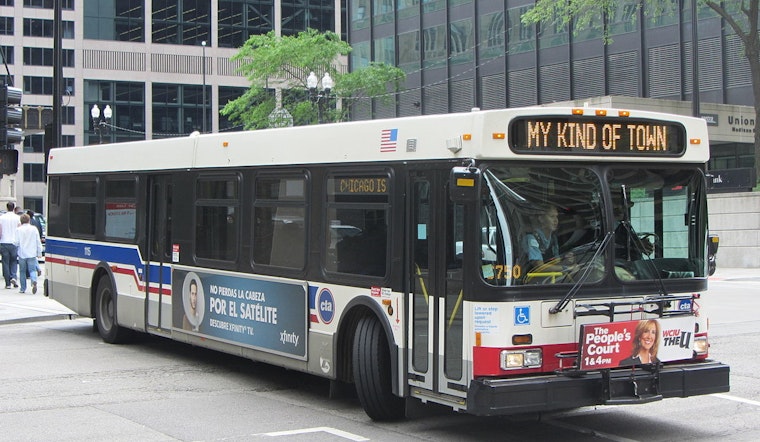
The Chicago Transit Authority (CTA) has announced the launch of a new "Frequent Network" bus service set to begin on March 23, promising that buses on eight major routes will arrive every 10 minutes or sooner. The service spans from 6 a.m. to 9 p.m. on weekdays and from 9 a.m. to 9 p.m. on weekends, aimed at delivering increased reliability for commuters on the South and West Sides of Chicago. The targeted routes include the likes of J14 Jeffery Jump, #34 South Michigan, among others, according to a press release from the CTA reported by Chicago Sun-Times.
The CTA is gearing up to quickly expand this program to another 12 routes by the end of the year, with a vision to improve access to fast and consistent bus services for Chicagoans. By the end of 2025, 70% of the CTA service area is likely to be within a half-mile of a frequent bus route. "This improvement in frequency is a transformative investment in our bus service and brings 10-minute or better service within a short walk of 2.3 million residents in our area all day, every day," CTA acting President Nora Leerhsen stated, as highlighted by Block Club Chicago.
In her statement, Nora Leerhsen mentioned that the routes included in the Frequent Network are expected to see their highest levels of scheduled service since 2010. Mayor Brandon Johnson weighed in, underscoring the importance of a "reliable and equitable public transit system" for strong communities and the CTA's commitment to enhancing accessibility to transit services, especially for those most in need. The launch is part of a broader initiative to bolster bus service in the region.
Despite the ambitious service commitments, the CTA has faced challenges in maintaining consistent staff levels, which has previously led to bus service disruptions. In the wake of the COVID-19 pandemic, the CTA's workforce was significantly impacted, although the agency has since reportedly restored its bus operations workforce to over 4,000 workers, more than the pre-pandemic count. However, the agency remains susceptible to staffing shortages due to call-offs, which may affect daily service commitments. Transit advocates have praised the move but cautiously remind that actualizing these promises will surely take time, as per insights shared by Amy Rynell, executive director of the Active Transportation Alliance, with Block Club Chicago.
Looking ahead, the CTA is anticipating a financial pinch in 2026 when federal pandemic relief funds are set to expire, raising concerns about the sustainability of service levels without alternative funding sources or fare revenue increases. Even as proposals for regional transit system consolidation have circulated, CTA leaders have shown resistance to these ideas, with Leerhsen stating that robust transit funding availability is crucial to meet customer expectations for quality service.





