

























































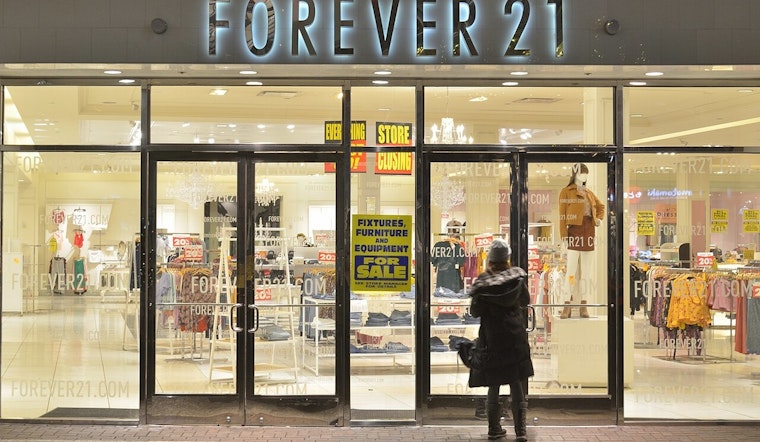
In a move signaling more trouble for brick-and-mortar retailers, Forever 21 has filed for Chapter 11 bankruptcy protection and is planning to close all its locations across New York and New Jersey. In a statement released yesterday, Forever 21's CFO Brad Sell cited, “While we have evaluated all options to best position the Company for the future, we have been unable to find a sustainable path forward, given competition from foreign fast fashion companies… as well as rising costs, economic challenges impacting our core customers, and evolving consumer trends,” as reported by PIX11 News. The closure will affect numerous stores, with some shutting down by March 30 while others will cease operations before May 1.
Facing a second bankruptcy in six years, Forever 21 is set to wind down U.S. operations. The fashion retailer has struggled amidst growing online competition and declining mall traffic. According to The Guardian, the company has highlighted challenges such as online retailers operating duty-free, which has undermined its pricing power. The de minimis exemption, a waiver allowing low-cost packages from China to avoid customs duties, has been crucial in enabling foreign competitors to easily undercut Forever 21 on pricing.
Initially founded in 1984 by South Korean immigrants, Forever 21 quickly became popular among young shoppers for its trendy yet affordable clothing offerings. At its peak, the company boasted around 800 stores globally, half of which were located in the U.S. The company's assets are estimated to be worth between $100 million and $500 million, with liabilities ranging from $1 billion to $10 billion. As part of the bankruptcy proceedings, the company plans for liquidation sales at its U.S. stores but will keep its international locations operational.
The retail sector has seen an unsettling increase in bankruptcy filings, with 20 cases since the start of 2024. Debtwire head of legal and restructuring Sarah Foss pointed out, “Brick-and-mortar retailers like Forever 21 operate in a highly competitive environment where the cost of doing business is expensive and rising with inflation rates.” According to The Guardian, the express intent to liquidate U.S. assets while undergoing a court-supervised sale reflects the pressing need to address the significant financial challenges faced by the retailer. Forever 21's trademark and intellectual property will continue to be owned by Authentic Brands.





