

























































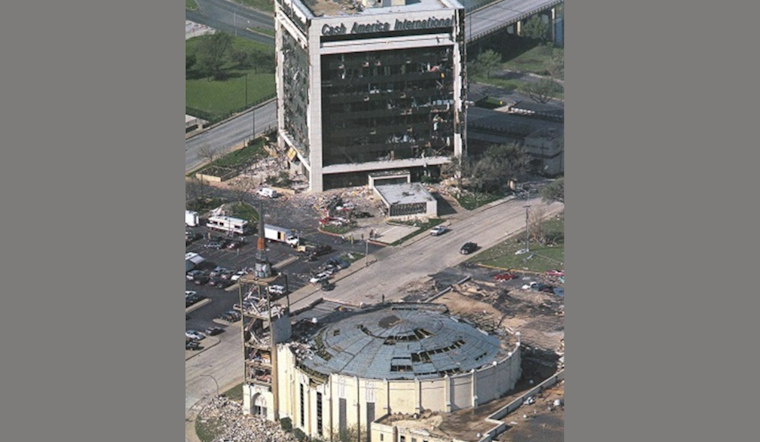
March 28, 2000, wasn't just another day for Fort Worth. Striking with little warning, a devastating F3 tornado carved through the heart of the city, altering its landscape and leaving an indelible mark on history. According to the City of Fort Worth, the twister landed at 6:18 p.m. and spent a brief but destructive ten minutes on the ground. The tornado claimed two lives and caused an estimated $450 million in property damage amidst its four-mile path of wreckage.
In a tragic moment obscured by falling debris, a person was killed by a collapsing brick wall, reported inevitably amidst the chaos of the tornado's onslaught. The scars left by the twister included 266 damaged structures, with the Linwood neighborhood particularly hard-hit. Several downtown structures, including the Bank One Tower, now affectionately known as The Tower, lost nearly all of its windows, and the Mallick Tower similarly had most of its glass exterior obliterated. As the city scrambled to secure the downtown area, the full impact of the storm, which also involved baseball-sized hail elsewhere in the city—the cause of an additional fatality—brought the community together in a joint effort for recovery.
Fort Worth's swift and collective response in the face of adversity following the tornado tracks back to the comprehensive recovery plan activated on the night of the disaster. The public works crews worked tirelessly through the night to clear roads and secure power lines. However, the tornado also exposed vulnerabilities, such as those in buildings' structures and emergency communication systems, prompting a push for better infrastructure and preparedness for future incidents.
Now, beyond just bricks-and-mortar rebuilding, the city has witnessed a transformation encompassing its cultural landscape and identity, noted the Fort Worth City officials. The 20-story Pier 1 Imports headquarters, now flagged as the new Fort Worth City Hall, rose from the ruins of Calvary Cathedral, destroyed by the tornado, standing as a testament to the city's resilience and spirit of renewal. Yet, while the skyline bears testimony to changes, the city's officials suggested that Fort Worth's enduring spirit remains firmly rooted in the community.





