

























































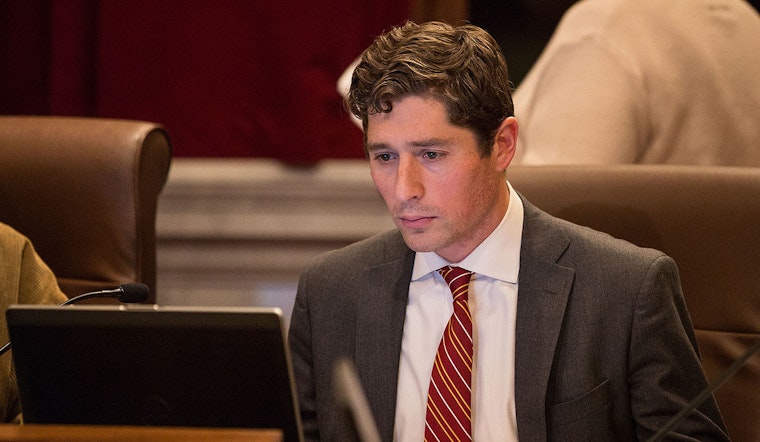
Mayor Jacob Frey has rolled out his 2025 key priorities for Minneapolis, signaling a progressive path for the future of the city. With an emphasis on safety, affordability, economic growth, climate strategy, and responsible governance, Frey's proposed blueprint focuses on making Minneapolis "stronger, more equitable, and more sustainable for everyone," according to a statement obtained by the official city news. The priorities echo ongoing projects and chart new efforts in a city recovering and rebuilding.
In sharpening Minneapolis' focus on community safety and police reform, Frey is building on a record recruitment year for the police department, aiming to bolster the ranks of community safety professionals and implement bias-free services. "We want to see safe streets, affordable housing, good paying jobs, and equal access to opportunity regardless of zip code,” Frey said, outlining his commitment to a comprehensive public service. City Operations Officer Margaret Anderson Kelliher echoed this sentiment, highlighting the importance of these strategic guidelines in directing city staff’s efforts, despite the misplaced comma, "Doing the work of the City is like running a well-oiled machine. When we all work together for the good of the City, that’s when real change happens." The plan includes using the guidance of the Minnesota Department of Human Rights settlement agreement and a federal Department of Justice consent decree to push forward equitable law enforcement reform efforts.
Addressing housing concerns, the mayor's agenda involves continuing Minneapolis' recognized work in affordable housing, including the protection of deeply affordable rental units and the reduction of childhood lead poisoning. Programs such as Stable Homes, Stable Schools, which has aided over 5,600 families, aim to provide housing stability for public school students, a key component in achieving generational wealth and equity.
Frey's priorities also seek to create an inclusive economic landscape, particularly supporting BIPOC entrepreneurs through initiatives like the Ownership and Opportunity Fund and the technical assistance program, which has so far supported dozens of BIPOC business owners. The city intends to push forward large-scale revitalization projects for key spaces, such as George Floyd Square and the redevelopment of the former 3rd Precinct building at 3000 Minnehaha. Moreover, measures are in place to keep the momentum of downtown Minneapolis' recovery, with suggestions to convert vacant commercial spaces into housing.
Climate action is another cornerstone of Frey's priorities, with Minneapolis driving efforts to lower greenhouse gas emissions in alignment with the city’s 2050 climate goals and expanding the urban tree canopy. This includes initiatives like a home weatherization project and partnerships for green career training, which are expected to enhance the city's sustainability and residents' health outcomes.
In terms of governance, the mayor's office remains committed to optimizing essential public services and exploring new revenue avenues to circumvent over-reliance on property taxes. The approach involves data-driven decision-making and setting clear metrics to track program performance, especially in terms of advancing racial equity.





.jpg)