

























































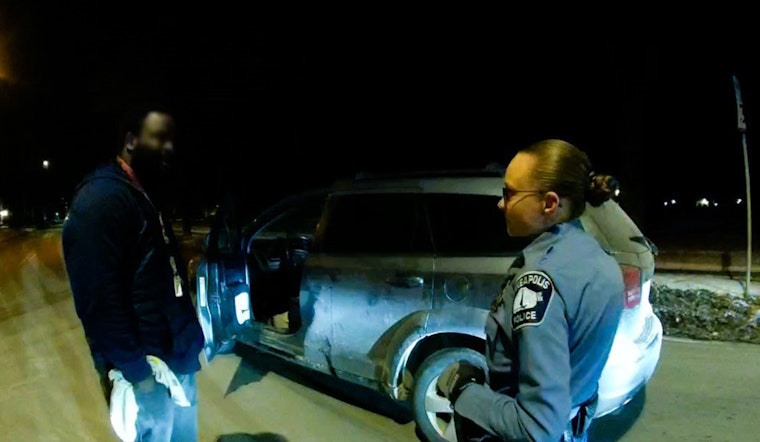
In the unforgiving cold of a Minneapolis winter, an act of kindness by local police officers warmed the hearts of the community. The Minneapolis Police Department shared a tale on their social media about a pair of officers who stumbled upon a disabled vehicle, with the driver struggling to push his car in the bitter -15 degrees Fahrenheit. The post's narrative resonates with not simply the tribulations of a harsh winter night, but the willingness to extend a helping hand in times of need.
According to the Facebook post by the Minneapolis Police Department, the driver of the disabled car had run out of gas and had already pushed his vehicle over a mile. The officers didn't hesitate to assist, showing an instance of service beyond the call of duty—they pushed the car several blocks to a nearby gas station. But their support for the stranded driver didn't end there; they encountered another obstacle when the vehicle's battery had died. In a relentless effort, the officers pushed the car into a safe parking spot, ensuring the driver's safety by arranging for a ride home.
A story such as this, particularly during times of such casual cynicism, serves as a reminder of the compassion that still pulses within our communities. The officers could have easily called for a tow truck or roadside assistance, but instead chose to engage with the immediate needs of one citizen, bracing the cold, with hands upon the trunk of a stalled vehicle, like any good neighbor might do. The exchange of warmth in the chill of the night occurred not through mere proximity, but through shared exertions, tandem breaths visible in the frigid air.
The police force often finds itself scrutinized, their actions dissected with skepticism and doubt. Moments like these, shared by the department on social media, present an image of police work that goes beyond the strict interpretation of law enforcement—it's about community engagement and support. This snapshot of daily life in Minneapolis provides a counter-narrative to the often contentious relationship between the public and law enforcement. It's an anecdote of solidarity and togetherness, in a time when such stories are needed, perhaps, more than ever.





