

























































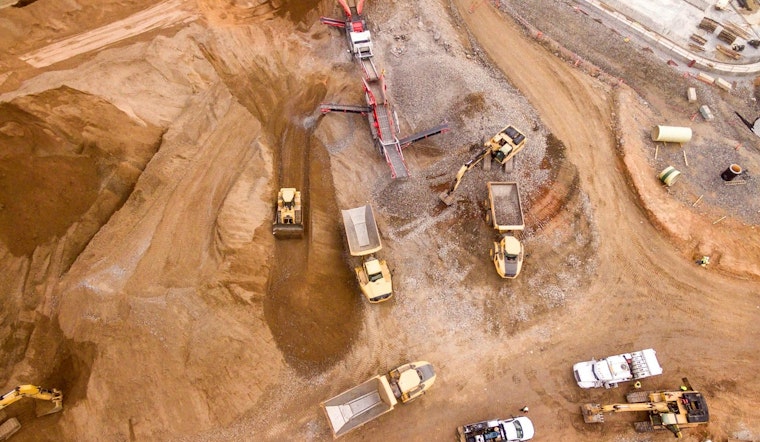
The Trump administration, in its latest executive order, has laid out a plan to open up public lands including parts of the Superior National Forest and the Boundary Waters Canoe Area Wilderness to mining operations. This move has sparked opposition, particularly from Minnesota’s state officials. The Boundary Waters, a wilderness area in the northern part of Minnesota known for its pristine waterways and forested landscape, is at the center of this controversy.
Last week, President Trump signed an order that could potentially allow environmentally hazardous mining within these lands. While the administration states this is an effort to boost economic growth and provide emergency powers to prioritize mining on federal lands, many environmentalists and local politicians see it as a threat to the environment. Notably, Senator Steve Cwodzinski (DFL-Eden Prairie), who has previously worked on legislation to protect the Boundary Waters, has expressed grave concerns. In a statement obtained by senatedfl.mn, he said, "The Boundary Waters are Minnesota’s national treasure. The crown jewel of our state is already priceless and invaluable as it is. Minnesotans don’t want to sell it to the highest bidder."
In the same statement, Senator Cwodzinski criticized the Trump administration for its policies, which include significant deregulation efforts and the removal of thousands of public servants from the National Park Service, ultimately making it difficult to protect national parks and monuments. This, he argues, signals an intent to open up federal land for corporate leasing and profit at the cost of environmental health.
Furthermore, the Trump administration's actions have cast doubts over the future of the Environmental Protection Agency's research lab in Duluth, which plays a crucial role in environmental toxicology. Cwodzinski warns of the long-term damage that may follow: "Polluting the natural ecosystem with hazardous mining chemicals will cause irreparable harm to the complex, delicate relationships between wildlife, plants, lakes, soil, rivers and groundwater. While multinational corporations will rake in profits, Minnesotans and visitors from across the country will pay the price." His plea to his colleagues is clear as he calls for greater efforts to protect the Boundary Waters from these “dangerous actions.”
With this executive order, the Trump administration continues to face pushback from various sectors, including state governments and environmental advocacy groups. It remains to be seen how this will unfold, but the tension between economic development and environmental preservation shows no signs of waning.





