

























































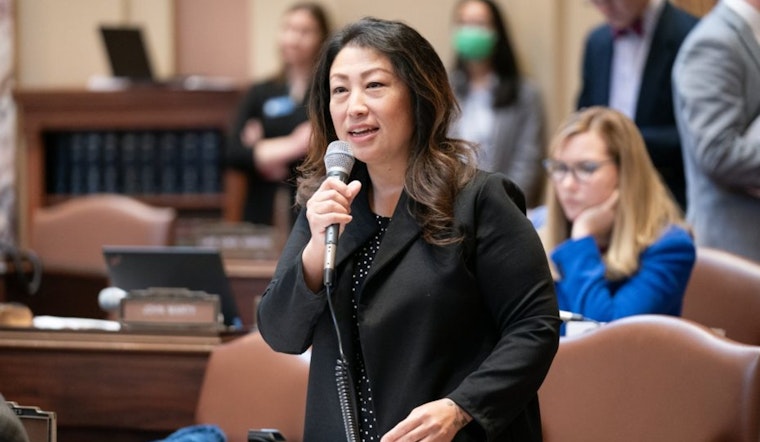
In the ongoing effort to broaden the scope of cultural awareness in education, the Minnesota Senate is considering a bill that could transform the way underrepresented communities see themselves in school curricula. Senate File 1965, introduced by Senator Susan Pha (DFL – Brooklyn Park) on March 11, seeks to create competitive grants aimed at developing cultural and ethnic studies materials for communities often left out of the educational narrative, including the Hmong, Karen, Somali, and Oromo cultures, as well as those with a primarily oral-based history, as reported by the Minnesota Senate DFL.
Senator Pha, drawing inspiration from previous work by Senator Foung Hawj (DFL – Saint Paul), emphasized the urgency of the situation presented in the Senate Environment, Climate, and Legacy Committee. Embedded in the heart of this initiative is the Minnesota Humanities Center, which supported the bill with testimony. Without a writing system, they acknowledged the critical juncture at which indigenous languages like Hmong are standing, poised on the edge of oblivion as the last of the elders, the bearers of the language, are passing away.
"For too long, many communities have been invisible in our education system, their histories and identities largely absent from curricula," Senator Pha told the Minnesota Senate DFL. "We live in a state that prides itself on diversity, yet we continue to fall short in providing educational materials that reflect the full spectrum of cultures, histories, and lived experiences that shape our collective identity. This bill is one step in the right direction."
Filling a gap in educational resources, Senator Hawj highlighted a lack often overlooked: "There are currently no school materials focused on communities with oral traditions," Hawj said, acknowledging the need for representation, as stated by the Minnesota Senate DFL.





