

























































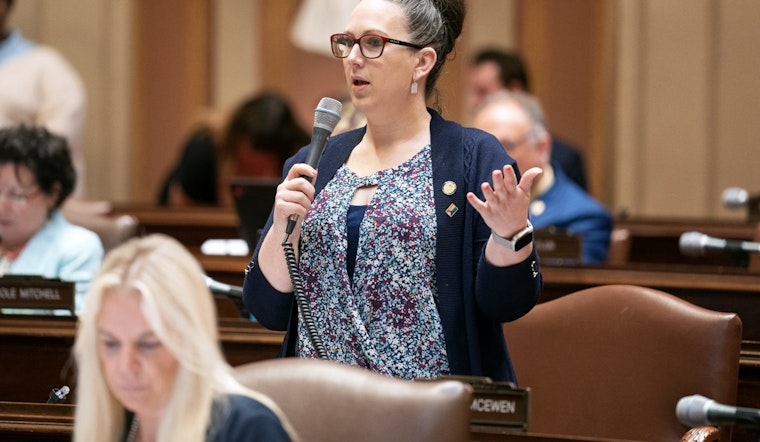
Following the recent release of Minnesota's Budget and Economic Forecast, Senator Liz Boldon voiced her concerns over the financial trajectory the state is facing under the current presidential administration. According to the Senate DFL website, the forecast, which comes in the wake of President Trump's policies, indicates a budget outlook that stands in shaky contrast to previous projections.
Amid initiated layoffs of public workers and the tumultuous approach to international trade, constituents are bracing for a disruptive economic landscape – Senator Boldon's statement delineates how the administration's decisions have cast a long shadow of uncertainty over fiscal planning. "Since the November forecast, one thing has changed – President Trump took office," Boldon remarked, commenting on the substantial shifts within the state's ability to maintain economic stability, which comes even more precarious as federal-level policies continue to push against the fabric of established social safety nets.
Senator Boldon has been vocal about her stance on the shifts in the federal government's direction, particularly pointing to the influence of Trump's significant campaign supporter, Elon Musk. She emphasizes the current administration's aggressive moves towards defunding critical social programs like Medicaid and SNAP, which aim to provide tax advantages to the wealthiest at the expense of the middle and working classes.
"Today’s economic forecast is a testament to the chaos, corruption and cruelty happening at the federal level," Boldon said, the concern palpable in her evaluation of the situation; highlighting the dissonance between the state's prudent fiscal measures in the past two years, it’s clear that the federal undertakings as Senator Boldon perceives them, serve to undermine the very foundations of economic fairness and security. Her call to action remains for others to unite in resistance against these policies, which she believes do not favor the interests of the broader populace.
It is evident in Boldon's statement that she looks to the progress Minnesota has made under its current budgeting practices, encompassing measures intended to fortify the state's working class – from universal free school meals to the expansion of healthcare access. These strides, as she posits, run counter to the federal push, which is seen as privileging an economic minority and creating chaos in place of the previous order. A plea for bipartisan cohesion echoes in her words, underscoring the imperative to recalibrate the national direction towards one that upholds Minnesota's ethos of support for its people.





