

























































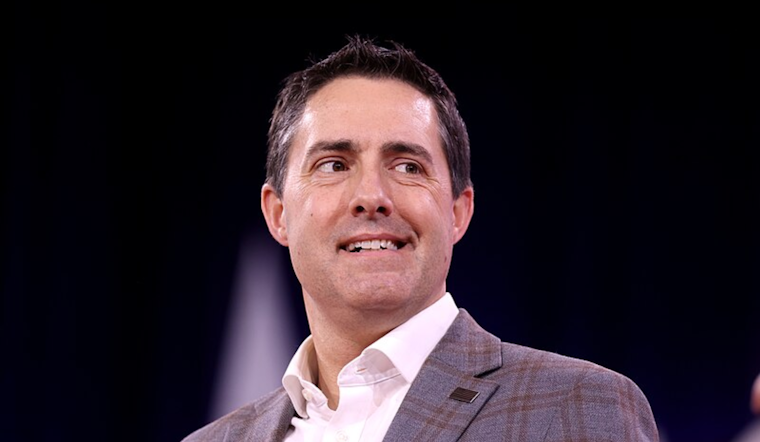
Ohio's chief election officer, Secretary of State Frank LaRose, has made headlines by aligning with peers in a legal stand against what they view as an overextension of federal power. The group filed in federal court on Tuesday to support small businesses up in arms over the new filing mandates imposed by the Corporate Transparency Act (CTA) — which would compel nearly all businesses to disclose information about their owners to the U.S. Treasury.
Backing the little guys, LaRose's move has amplified the criticism of the CTA. According to Ohio Secretary of State Frank LaRose, a statement from his office, “This is a classic case of federal overreach. These reporting requirements add unnecessary cost and regulation to our small businesses, like mom-and-pop shops all across Ohio.” He dovetails his sentiment with a nod to President Trump, who suspended the controversial reporting requirements, echoing the call for a more lasting fix to shield Ohio's industrious residents.
LaRose, signing an amicus brief alongside officials from 16 states, seeks a ruling to stop the federal government from insisting states enforce the CTA. Additionally, they argue for states' sovereignty in regulating corporate law without federal interference. This collective pushback follows President Trump's decision via the Treasury Department to halt the reporting requirement for the Beneficial Ownership Information (BOI), temporarily slackening the CTA’s tightening grip.
The amicus brief forcefully stakes the states' positions, provided by Ohio Secretary of State FrankLeRose, "The Court should put an end to the federal government’s ongoing mandatory ‘partnership’ with amici and other secretaries of state and should return the power to regulate corporations to the States by affirming the district court’s preliminary injunction." This is a clear signal that these state officials mean business in reasserting their jurisdiction over corporate affairs.





.jpg)