

























































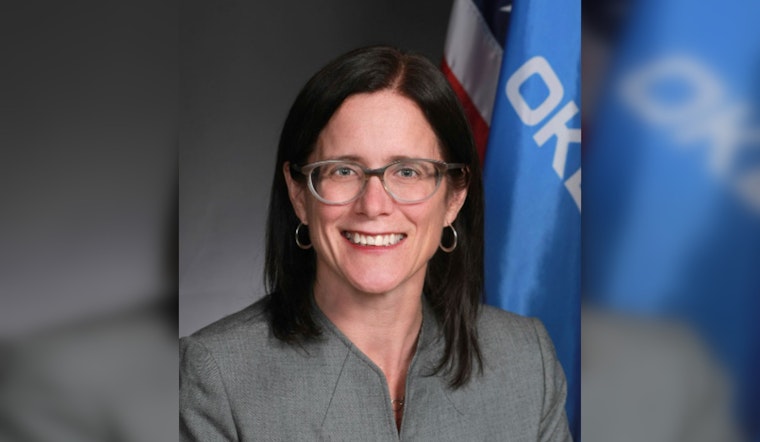
In a decisive move toward enhancing mental health care accessibility, Senate Democratic Leader Julia Kirt's proposal, Senate Bill 670, has successfully cleared the Health and Human Services committee stage. The initiative, as reported by the Oklahoma State Senate, sets its sights on reducing health care expenses while facilitating Oklahomans in maintaining their mental well-being and averting potential health crises.
Senator Kirt, representing Oklahoma City, accentuated the significance of early intervention for fostering better health outcomes while acknowledging the financial and resource constraints that currently impede access to mental health services for many Oklahomans, to help with the shortage of caregivers family doctors can play a pivotal role, Kirt's legislation is designed to better engage primary care providers by requiring them to include a mental health screening as part of routine check-ups and for these professionals to undertake continuing education in integrated behavioral health care, as reported by the Oklahoma State Senate.
The stipulations of SB 670 include a mandatory one-hour continuing education requirement in integrated behavioral health care for medical doctors, osteopathic physicians, physician assistants, and advanced practice registered nurses, furthermore, the bill also mandates the inclusion of an evidence-based mental health screening for patients during or before their primary care visits, drawing from research done by the Healthy Minds Policy Initiative, the bill aims to enhance the role of primary care in identifying mental health needs early on, as per the Oklahoma State Senate.
Despite the ongoing efforts to address the shortage of mental health providers, Senator Kirt emphasized the necessity of finding immediate solutions to this pressing need, affirming the objective of SB 670 to bridge this gap by empowering the current workforce of primary care professionals to serve as an accessible point of contact for mental health services, Kirt stated, "The Legislature has begun to tackle the shortages in providers, but in the meantime, we still need to find ways to address this unmet need," pointing towards a conscientious approach to health care reform, as stated by the Oklahoma State Senate.





