

























































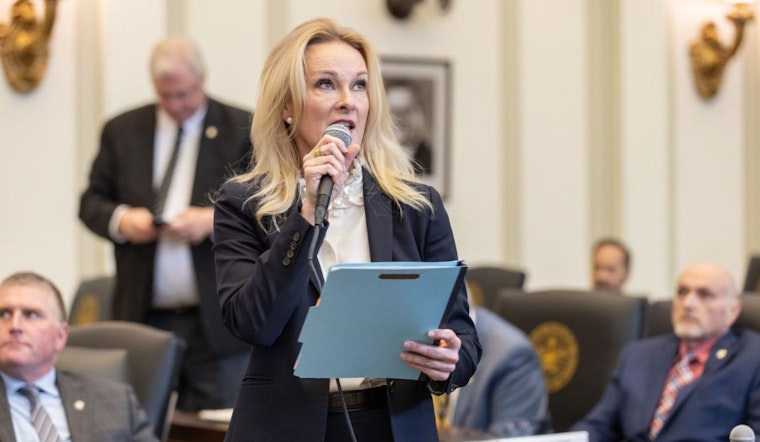
In a move to liberate higher education from the confines of geographic limitations, the House has passed a bill aimed squarely at dissolving statutory restrictions that have traditionally hindered the spread of college courses and programs. As reported by the Oklahoma House of Representatives, the recently approved House Bill 2854, championed by Rep. Toni Hasenbeck, will clear the path for two and four-year colleges across Oklahoma to expand their reach. This legislative change is designed to empower the Oklahoma State Regents in their constitutional mission to assist students with their aspirations for higher education and entrance into critical workforce areas.
The specifics of the bill outline a moratorium on these geographic barriers, potentially allowing for more effective intervention in addressing the needs of Oklahomans seeking further education. "This bill will ensure that the Regents and the institutions can work together to create innovative programs for all Oklahomans seeking a post-secondary education," Hasenbeck proclaimed in a statement obtained by the Oklahoma House News. She asserts that such a transformation is "long overdue" and positions the state's colleges and universities to more adequately respond to the changing dynamics of the local workforce and to provide students with greater choice within the higher education ecosystem.
The momentum behind House Bill 2854 is reflected in its passage through the House, where it garnered a vote of 68-21 in favor. This decisive majority indicates a strong legislative support for the restructuring of higher education's operational boundaries. It is a testament to the belief that access and innovation should remain at the forefront of Oklahoma's educational priorities. The bill has now been ushered onwards to the Senate, where it awaits further scrutiny and, proponents hope, a similar level of endorsement.





