

























































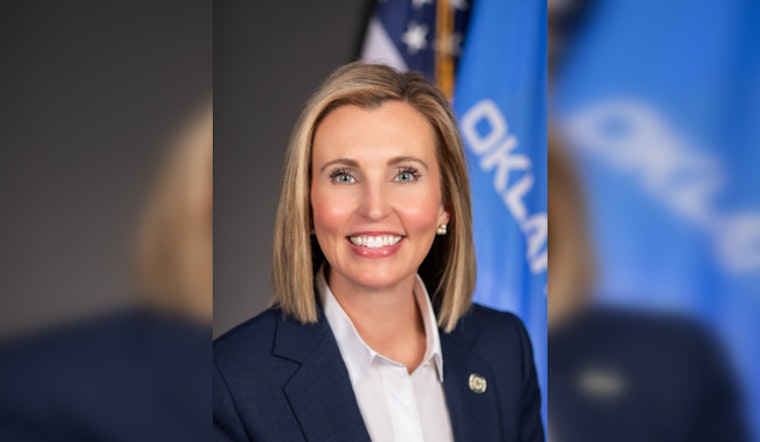
In a notable move toward public health protection, the Oklahoma Senate Committee on Agriculture and Wildlife has cleared a significant hurdle for a bill that could see the end of certain controversial food additives on Oklahoma’s shelves. Senate Bill 4, championed by Senator Kristen Thompson, R-Edmond, would ban the manufacture, sale, and distribution of 21 substances frequently used in processed foods that have been flagged for their potential health risks, as reported by the Oklahoma Senate.
Senator Thompson, with an eye toward safeguarding children and others vulnerable to hormonal and behavioral disturbances, has taken cues from research pointed to by health advocates. These studies suggest a correlation between these additives and an array of unwelcome health issues such as hyperactivity in children, disruptions in hormonal functions, and even cancer. Banned in other countries, according to a statement from Senator Thompson obtained by the Oklahoma Senate, these chemicals are still available in the United States.
Amid speculation of a new federal initiative to address food safety, Thompson's Bill 4 is praised for potentially establishing Oklahoma as a frontrunner in the proactive elimination of certain additives. "Under the new administration in Washington, DC, the federal government is looking at similar measures and this is a moment for Oklahoma to step up, be ahead of the curve and ensure the safety of our food supply," Sen. Thompson noted, in the spirit of bipartisan progress, the Oklahoma Senate committee's vote marks a nod to the urgency embraced by both state and potentially federal efforts to tighten regulations on the food industry.
The advancement of Bill 4 strikes as a beacon of hope for advocates of public health, who have long criticized the laissez-faire approach to regulating substances in our daily consumption that could, moving uncontested, leave lasting impacts on populations unsuspecting of the hazards nestled among their groceries. Sen. Thompson remains optimistic about the dynamic conversations that will be spurred by this legislative push, emphasizing that "I applaud the members of the agriculture committee who voted in favor of this measure and look forward to further conversations surrounding this legislation moving forward," leaving a trail for further scrutiny and debate in the coming legislative sessions, as per the Oklahoma Senate.





