

























































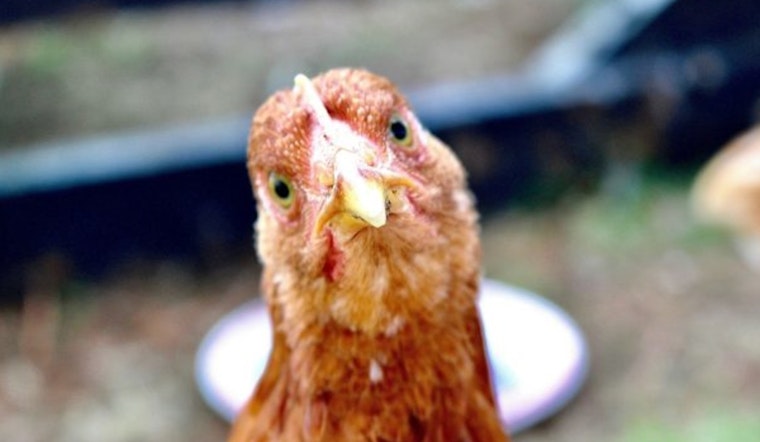
As concerns over bird flu continue to grip the nation, the City of Philadelphia has released an in-depth FAQ to keep the public informed about this avian ailment. Known formally as avian influenza, bird flu is a viral infection primarily affecting birds, with the occasional potential to infect humans and other animals. The disease is carried in bird saliva, mucus, and feces, and human infections generally arise from direct, unprotected exposure to those infected or contaminated environments.
The risk of bird flu to the general Philadelphia public remains low, but specific groups such as poultry farm workers, backyard bird owners, and veterinarians are at higher risk. According to the city’s Health Department, "you're probably most contagious during the first few days of feeling sick" if infected. However, they also point to urgently needed additional research to fully understand the virus' transmissibility.
Symptoms in people range from eye irritation and mild fever to more severe issues like shortness of breath and pneumonia. Meanwhile, infected birds might show lethargy, loss of appetite, or sudden death. Such visible symptoms in animals can serve as early warnings and potentially help curb the spread of the virus.
To stay safe, health experts recommend standard precautions like avoiding contact with sick or dead birds and cooking poultry to an internal temperature of 165⁰F. Though there is no publicly available vaccine for bird flu as of now, the Health Department stresses that preventive measures are key to protection. They advise the public "Always choose pasteurized milk and products since pasteurization kills bacteria and viruses."
If you suspect exposure to bird flu, testing and treatment are available, with antivirals like oseltamivir (Tamiflu) serving as current countermeasures. Pet owners are also urged to keep their animals indoors to prevent potential contact with the virus. In a situation that necessitates handling of diseased birds, proper personal protective equipment is crucial.
The public plays a critical role in monitoring the spread of bird flu too. Citizens finding sick or dead birds are encouraged to report them to either the Pennsylvania Game Commission for wild birds or the Pennsylvania Department of Agriculture for domestic birds. The City of Philadelphia provides detailed instructions on safely handling such cases to prevent further disease spread, as mentioned in their guide, accessible here.




