

























































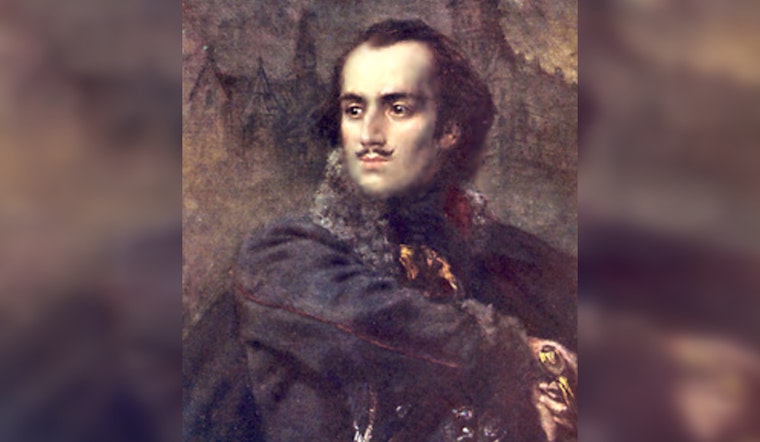
Chicago's observance of Casimir Pulaski Day this year included a notable first—the attendance of Polish President Andrzej Duda, as NBC Chicago reported. The holiday, which saw closures across Chicago and Cook County government offices and courts, paid tribute to a Revolutionary War hero and celebrated the city's significant Polish-American community. The Chicago Sun-Times highlighted that despite being a non-federal holiday, certain institutions, such as post offices and bank,s remained open.
While some may ponder the significance of such a figure as Pulaski, whose name adorns city streets and parks, his legacy as a Polish military leader that came to America in 1777 to swiftly become a key figure in the American Revolutionary War is an indelible one; he orgranized led the country's first cavalry earning him the title “Father of the American Cavalry." Although Chicago Public Schools no longer closes for Pulaski Day, Illinois holds the distinction of being the sole state that officially commemorates the day with schools throughout the state having once observed the holiday with closures, a tradition that began shifting in the early 2000s.
The role that Pulaski played in history and the shared culture between Chicago and the Polish community is remembered every first Monday of March—around Pulaski's birthday, which falls on March 6. Richard Owsiany, president of the Polish Museum of America, expressed to The Chicago Sun-Times the significance of the day: "Having the president of Poland here is huge for us, it shows how important this day is—not just for the Polish community but for all of Illinois."
Amidst the historical reflections, Pulaski Day also serves as a vibrant celebration of heritage for Chicago's Polish community and Senator Dick Durbin was among the officials who attended the 2025 event while President Duda's participation marked a historic moment for the Polish Museum of America which also featured a wreath-laying ceremony at the painting "Pulaski at Savannah." For individuals like Bogdan Pukszta, executive director of the Polish American Chamber of Commerce, the holiday is a time to connect with community and heritage, "For Poles like me, who were born in Poland, Pulaski is someone we grew up learning about," Pukszta explained, having come to Chicago in the 1980s, just before Illinois recognized the holiday, "Here, it’s about sharing that legacy with the broader American community."





