

























































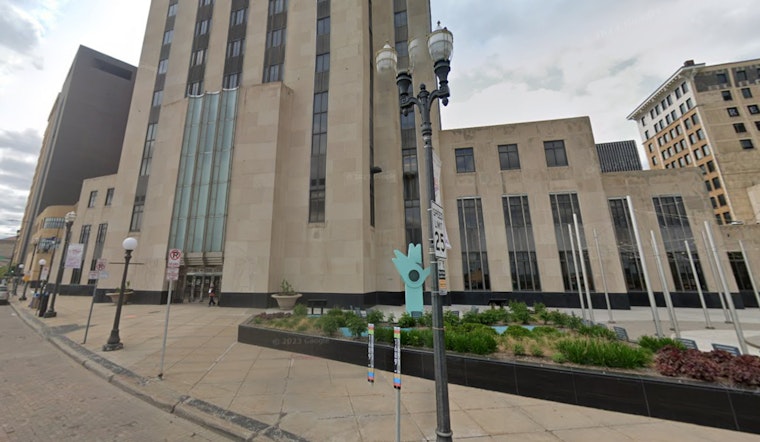
The Board of Zoning Appeals of St. Paul is scheduled to have a public hearing that could change the layout of supportive housing in the city. The board will convene to decide on, among other items, a major zoning variance sought by Michael Tadros, who is proposing a new supportive housing facility for up to 10 residents at 770 University Avenue West. This proposal has journeyed up to the point of public discourse because the desired location stands much closer to an existing congregate living facility than current zoning codes allow—a mere 143 feet instead of the required 1,320 feet.
As outlined in the official hearing agenda posted by St. Paul's government, the variance requested would be 1,177 feet less than the code stipulates. This substantial variance request puts the topic squarely in the spotlight for the March 31 meeting. The BZA emphasizes the importance of the applicant or a representative attending the hearing to address any potential questions or concerns that both the Board or the public may present.
Public input is not only welcomed but solicited and must be submitted before 2:00 p.m. tomorrow. The BZA has made it clear that any comments and materials received after this time will not be reviewed by the Board. Those who wish to contribute to the conversation are reminded to include their name and residential address for the public record. With community engagement at the forefront, the hearing is set to provide an open forum for discourse and deliberation.
Alongside the zoning variance for the proposed supportive housing facility, the BZA's agenda lists other orders of business, including the approval of minutes from their March 3 meeting and a resolution for 1070 Jackson Street. With no old business on the docket, the hearing seems poised to progress swiftly through its slated discussions, firmly anchored on the new business at hand. If the variance is approved, it could pave the way for similar proposals, reflecting the city's evolving perspective on the proximity of social service facilities.
With St. Paul citizens having just a short window to make their voices heard on the matter, the outcome of this hearing could potentially underscore the community's stance on the integration of supportive housing within existing urban frameworks.





