

























































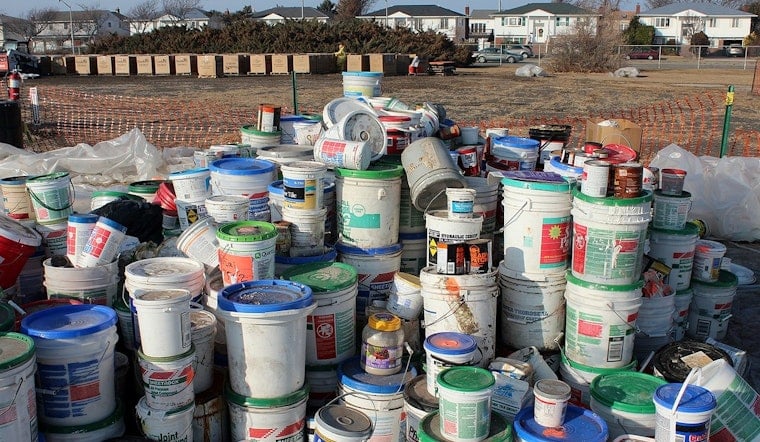
Tennessee residents have the chance to clear out their homes of potentially dangerous waste this Saturday, as the Tennessee Department of Environment and Conservation (TDEC) rolls out its mobile household hazardous waste collection service to DeKalb, Hamblen, and Roane counties. In a move to make environmental responsibility easier for Tennesseans, the service is opening its doors to all, regardless of county residency, providing a safe way to dispose of hazardous household items free of charge, as reported by TDEC.
According to TDEC Commissioner David Salyers, "This collection service provides an excellent way to responsibly dispose of household hazardous waste, and we want to make it as convenient as possible," a sentiment reflecting the state's commitment to environmental protection, as garnered from the TDEC website. Cleaning fluids, pesticides, swimming pool chemicals, and various other hazardous items are welcome at the designated drop-off sites, though ammunition, explosives, and everyday alkaline batteries, amongst other things, won't be accepted, they're more suited for regular trash or local disposal programs.
Drop-off locations on March 15 include the DeKalb County Community Complex in Smithville from 8 a.m. to noon, the Hamblen County Solid Waste in Morristown between 8 a.m. and noon, and the Roane County Recycling Facility in Harriman from 9 a.m. to 1 p.m. Interested individuals can contact their local representatives, such as Brian Reed in DeKalb County at 615-597-6071 or Tony Brashears in Roane County at 865-590-7779, for more details.
Since the program began in 1993, over 373,000 Tennessee households have stepped up to safely dispose of more than 25 million pounds of hazardous waste across more than 1,500 one-day collection events – illustrating a sustained endeavor towards safeguarding our environment and public health. And while residential hazardous waste may be gotten rid of at no cost businesses and other non-household entities dealing with Very Small Quantity Generator Waste still need to make appointments and can call 615-643-3170 for quotes and scheduling; for other waste streams like batteries, oil, paint, antifreeze, and electronics, or the BOPAE as they're known, residents should reach out to their local solid waste departments to find appropriate disposal sites, advice directly gleaned from the TDEC announcement.
When transporting hazardous materials to the collection site, it's crucial to pack them properly — think sturdy boxes lined with either newspapers or plastic to avoid spills and mixing of substances while keeping them far from kids and pets. The collective effort of citizens participating in these waste collection drives mirrors the state's dedication to protecting the environment, one gallon of paint thinner, one old battery at a time.



.jpg)