

























































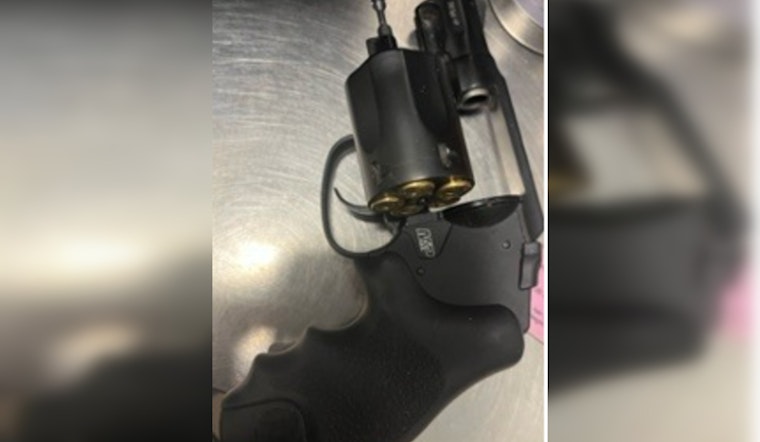
Travelers at Fort Wayne International Airport experienced a brief scare Saturday when a TSA officer during routine screening discovered a loaded gun in a carry-on bag. The Transportation Security Administration team was quick to act, spotting the handgun's image on the X-ray machine. Fort Wayne Airport Public Safety officials were immediately alerted and stepped in to confiscate the weapon, ensuring it did not make its way aboard the aircraft.
This incident marks the third firearm interception by the TSA at FWA in the year, suggesting a troubling pattern. In fact, the TSA reported that there were a total of seven firearms detected throughout 2024 at the airport. Indiana TSA Federal Security Director Aaron Batt, in a statement obtained by Transportation Security Administration’s official website, warned travelers about the consequences of such actions. "Bringing prohibited or illegal items to our security checkpoints slows down the screening process for everyone until the incident is resolved," Batt said. He further reminded passengers about the correct procedure to quickly declare and securely pack firearms in checked luggage.
Passengers caught at security checkpoints with firearms face not only delays but possibly significant federal financial civil penalties. TSA's reports state that fines may reach up to $14,950 depending on the specifics of the violation. Moreover, these incidents can see frequent travelers lose their TSA PreCheck® eligibility for a minimum of five years, adding another layer of inconvenience for those who fail to adhere to gun transportation protocols. It is crucial for travelers to understand these repercussions prior to attempting to to carry firearms in their carry-on baggage.
Individuals choosing to travel with firearms are required to ensure their guns are unloaded, locked in a hard-sided case, and packed separately from ammunition. These cases must be declared at the airline check-in counter and checked accordingly. As firearm possession laws vary significantly across states and localities, travelers should thoroughly inform themselves of the regulations in both their departure and destination jurisdictions.





