

























































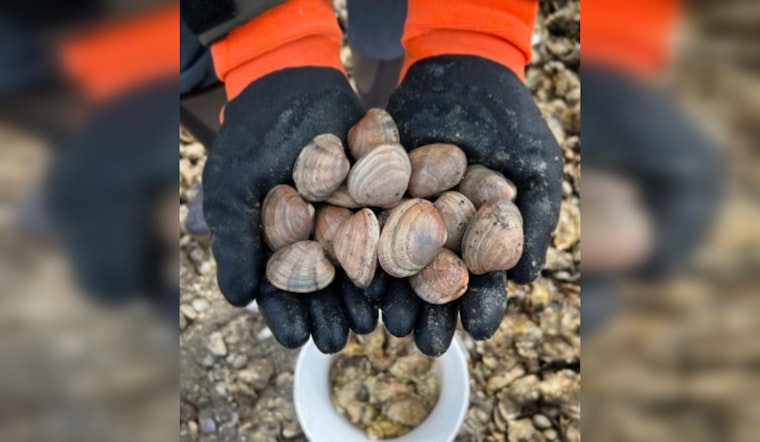
Shellfish enthusiasts in Washington can now enjoy the clam, oyster, and mussel seasons, with low daytime tides providing excellent opportunities for recreational harvesters. The Washington Department of Fish and Wildlife (WDFW) encourages checking their website for regulations, season dates, and shellfishing tips to ensure a legal and sustainable outing.
A two-page 2025 Puget Sound clam, mussel, and oyster season guide is available for download in PDF format. The guide, along with other resources like the beach search tool and bivalve shellfish identification chart, helps plan safe and responsible shellfishing trips. Camille Speck, WDFW Puget Sound intertidal bivalve manager, noted that "Many big low tides are occurring earlier this spring than in recent years," which could lead to a successful harvest, especially for oysters in prime spring condition, as per the Washington Department of Fish and Wildlife release.
Harvesters should follow size and harvest limits on public beaches to protect shellfish beds. A valid saltwater fishing, shellfish/seaweed, or combination license is required to harvest shellfish. Licenses can be purchased online, through dealers, or at WDFW regional offices.
Before harvesting, it’s essential to check the Washington State Department of Health (DOH) shellfish safety map for any advisories or closures due to biotoxins, as conditions may change. Kopachuck State Park is closed to shellfishing this year due to construction, while Dosewallips State Park remains open for oysters, though clam harvesting is paused in 2025 to address declining populations.
To help gatherers, Camille Speck encouraged using the season guide and website search tool to find other open beaches. Proper foraging etiquette includes using separate containers for each harvester and refilling holes after digging to protect the intertidal ecosystem.
Be aware that private tideland owners and treaty tribes have their own harvesting regulations. More information about tribal rights and private tideland rules can be found on the Northwest Indian Fisheries Commission website.




