

























































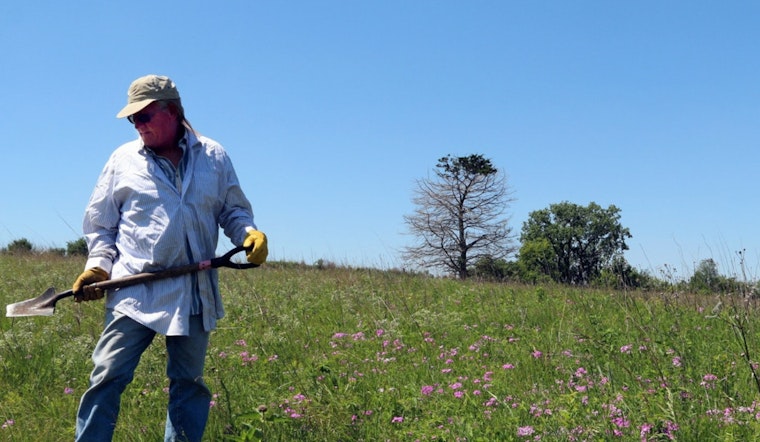
The Wisconsin Department of Natural Resources is calling all community scientists. In an effort to keep tabs on the state's rare and endangered species, the DNR has announced a variety of volunteer opportunities for 2025, aimed at monitoring these precious species and their habitats. This isn't just a call to biologists and seasoned conservationists; the organization is reaching out to anyone willing to lend a hand, or an ear, particularly when it comes to frog and toad calls.
As reported by the Wisconsin DNR, the initiative is wide-reaching, with several areas of focus. Volunteers can get involved with projects concerning a diversity of species, including plants, invertebrates, and other animals. Whether it's the Karner Blue Butterfly Volunteer Monitoring Program or the Wisconsin Frog and Toad Survey, these citizen scientists play a crucial role, sometimes learning to distinguish the calls of not one but 12 different amphibian contenders in the state.
One of the real standouts is the Wisconsin Rare Plant Monitoring Program. It's not just the fuzzy bumble bees and slimy mussels that get all the attention. The DNR stated that "volunteers support critical research and monitoring for many of Wisconsin’s rarest plant and animal species." Owen Boyle, DNR species management section manager, emphasized the value of these community contributions, stating, "When we better understand how species populations are being impacted by threats like degraded habitat, disease and climate change, we can take action before they disappear from Wisconsin." Boyle's statement comes as a rallying cry for biodiversity preservation.
Last year's efforts were nothing to scoff at; volunteers conducted surveys and gathered data in almost every Wisconsin county, demonstrating that this kind of grassroots environmentalism has a wide reach and a significant impact. And with opportunities tailored to various levels of expertise and availability, there's a niche for every nature enthusiast. The DNR is clear: no matter your skill level or familiarity with the scientific method, your contribution can aid in the battle to manage invasive species and to protect those that are hanging by a thread.
For those interested in donning the citizen scientist cap, Wisconsin's DNR has thrown open the doors. You can find more information about the varied programs and how to get involved on the DNR's official website. Just remember, in the quest to preserve Wisconsin's natural beauty, every frog count and plant identification counts toward a greater understanding and a more proactive approach to conservation.



