

























































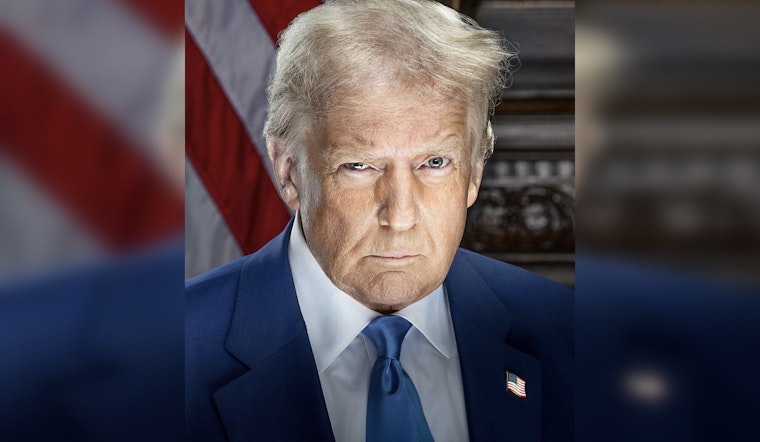
Washington has joined a coalition of 21 states in a lawsuit against the recent executive order by the Trump administration, which targets key federal agencies. The lawsuit, led by the attorneys general of New York, Hawaii, and Rhode Island, seeks to prevent the potential dismantling of the Institute of Museum and Library Services (IMLS), the Minority Business Development Agency (MBDA), and the Federal Mediation and Conciliation Service (FMCS), agencies involved in supporting public libraries, museums, and minority-owned businesses.
Trump's executive order is currently under scrutiny for its impact. The Institute of Museum and Library Services (IMLS), which provides grants to libraries and museums nationwide, has placed most of its employees on administrative leave. The Minority Business Development Agency (MBDA) and the Federal Mediation and Conciliation Service (FMCS), responsible for labor dispute resolutions, have seen a reduction in staff from 200 to fewer than 15, and have announced the elimination of key programs, according to an announcement from the Attorney General's office. The lawsuit asserts that the executive order may exceed presidential authority over federal spending without proper congressional approval, raising concerns about the separation of powers outlined in the Constitution.
Attorney General Nick Brown, along with his colleagues, asserts that this order may exceed constitutional limits and fail to address the needs of underserved communities. "Communities throughout Washington benefit from the work of these agencies to support libraries, promote minority-owned businesses, and protect workers' rights," Brown stated in the news release, highlighting the local impact of federal investments. For example, the IMLS distributed $180 million through its Grants to States Program last year, a fund now at risk.
Further outlining these changes, the MBDA now operates with a reduced staff of five, down from 40. This reduction has halted the issuance of new grants, affecting support for small businesses. The legal complaint filed by the states' attorneys general highlights concerns that this may impact economic growth in minority communities, which the MBDA was created to support. The states contend that the president's actions may have overstepped his authority by affecting agencies that Congress established to promote opportunity and fair resolution across the nation.
Along with the attorneys general from New York, Hawaii, and Rhode Island, the lawsuit includes those from Arizona, California, Colorado, Connecticut, Delaware, Illinois, Maine, Maryland, Massachusetts, Michigan, Minnesota, Nevada, New Jersey, New Mexico, Oregon, Vermont, and Wisconsin. This diverse group reflects a wide range of concern over the potential effects of the executive order. The lawsuit focuses on addressing issues related to federal funding and the administration of public programs.





