

























































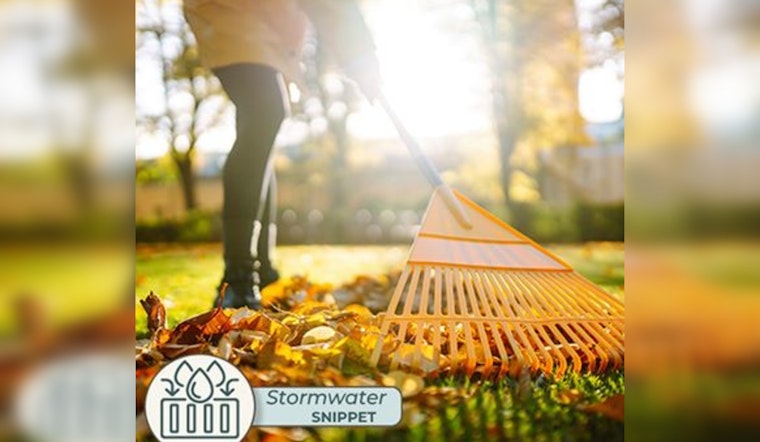
As spring arrives, so does the challenge of waste management, particularly in the wake of illegal and improper dumping incidents. Anoka County in Minnesota is confronting the issue head-on, sounding the alarm on the pollution of its surface waters due to these activities. According to a recent bulletin, non-hazardous items like tires, furniture, and appliances, alongside yard waste such as grass clippings and tree branches, are being tossed into streets, storm drains, and bodies of water with little regard for the environmental consequences.
The improper disposal of such waste materials has dire impacts. When these items are dumped into natural ecosystems, they can disrupt the habitats of the local wildlife, not to mention the potential risks to human health. Anoka County's website has stepped up to educate residents, offering tips on how to dispose of waste ethically and legally. It's an effort that not only endeavors to preserve the picturesque wetlands and lakes but also to maintain a clean water supply for the community's use.
The issue is not unique to Anoka County. Cities and counties across the nation grapple with illegal waste disposal. Often, it comes down to a lack of awareness or the perceived inconvenience of appropriate disposal methods. To combat this, informative campaigns and accessible services are crucial. They say knowledge is power, and in this battle against pollution, equipping citizens with the tools and knowledge necessary to dispose of waste properly is the frontline strategy.
Residents of Anoka County who wish to do their part can visit the county’s website for resources and recommendations on waste disposal. The site details what constitutes non-hazardous household waste and yard waste, as well as the repercussions these materials can have on local ecosystems when not handled with care. By adhering to the guidelines listed and taking advantage of the county’s waste management services, citizens can contribute to a cleaner, safer environment for all. Environmental stewardship starts with individual choices, and every proper disposal helps to mitigate the ongoing challenge of waste management.





