

























































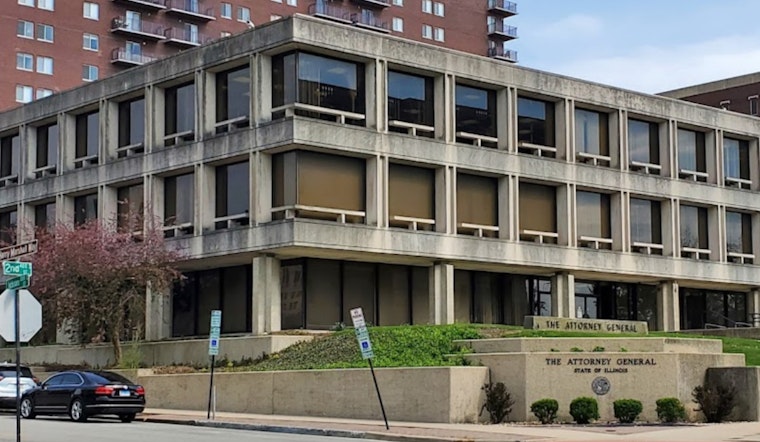
Attorney General Kwame Raoul has banded together with colleagues from 21 other states in an attempt to defend consumers from what they consider exorbitant overdraft fees by the country's largest banks. In a collective endeavor, these attorneys general sent a missive to the House of Representatives’ leaders and the House Financial Services Committee to express their opposition to House Joint Resolution 59, which aims to override the Consumer Financial Protection Bureau’s (CFPB) 2024 rule that sets limits on overdraft fees. Raoul emphasized the damage these fees cause to vulnerable families who are already struggling to pay for necessities. "That is why I am urging the House to vote against the overturning of CFPB’s 2024 rule limiting excessive overdraft fees," he stated in a release featured on the Illinois Attorney General's official website.
While the Senate has already passed a version of the contentious resolution, the opposition highlights that the CFPB's rule only applies to financial behemoths with assets north of $10 billion. It mandates a ceiling of $5 or the bank’s actual costs on overdraft fees – a significant cut from the average fee of $35 that banks have traditionally levied for overdrafts, which in many cases is far more than the overdraft amount itself. Moreover, 52-48 Senate votes late last month narrowly tilted in favor of abolishing the CFPB's overdraft fee limitations.
Bringing the fiscal impact of such fees into stark relief, the average $35 charge represents a substantial revenue stream for banks, amounting to approximately $5.8 billion in 2023 alone. Reflecting on the disproportionate effects of these fees, Raoul remarked in the coalition letter, "If banks want to continue to profit from such fees over $5, they must treat them as interest on a loan." They further noted that, given most overdraft fees are settled within three days, a $35 fee on an overdraft of merely $26 equates to an annual interest rate of some 16,000%.
The attorneys general argue that the CFPB’s rule is paramount in safeguarding bank customers from excessive charges that often catch them off guard, leading to issues like involuntary account closures, which may tarnish their credit history and potentially exile them from the banking system altogether. To bolster their point, Raoul and his counterparts underscored that numerous banks, such as Citigroup, Capital One, and Ally Bank, have effectively done away with overdraft fees without compromising the convenience of overdraft protection, in their letter.
This united front reflects the conviction of attorneys general from states including Arizona, California, Colorado, Connecticut, Delaware, the District of Columbia, Hawaii, Maine, Maryland, Massachusetts, Michigan, Minnesota, Nevada, New Jersey, New Mexico, New York, North Carolina, Oregon, Rhode Island, Vermont, Washington, and Wisconsin, along with the Hawaii Office of Consumer Protection. They stand collectively in a pivotal moment as the debate over the regulation of overdraft fees reaches the halls of the U.S. House. The outcome of this decision holds the potential to impact millions of bank customers nationwide, especially those in the throes of financial hardship who are most vulnerable to such fees.





