

























































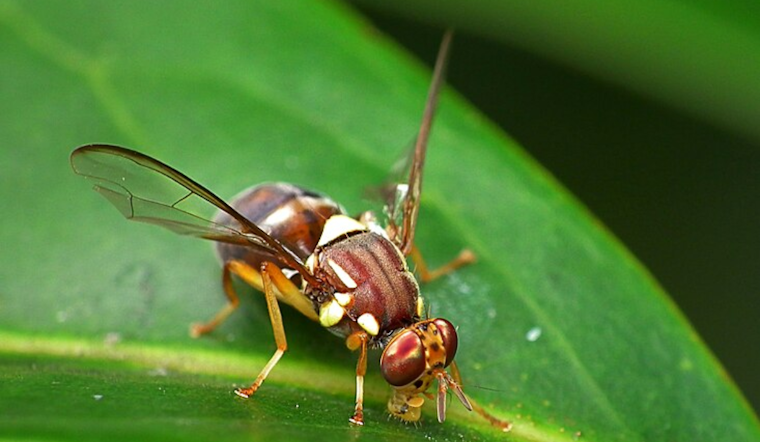
While most of us fret over sleep deprivation from too much screen time or stress, Australian fruit flies are facing a far more pressing reason to lose sleep: evading blood-thirsty mites. According to a study by the University of Cincinnati, these pesky parasites, Gamasodes queenslandicus, are a serious threat to the flies, so staying awake has become their survival strategy.
Scientists led by UC Professor Joshua Benoit found that the fruit flies actively avoid the mites, which can be as lethal as they sound. "If they have too many mites, they can get ripped apart. It’s very detrimental to them," Michal Polak, a UC professor and study co-author, said in a statement obtained by the University of Cincinnati. Their work, which involved capturing wild flies in Queensland and breeding them for over 16 generations, showed the high stakes of this nightly struggle.
The mites seek out the flies most at rest, making sleep risky. The study, published in the Nature journal Biological Timing and Sleep, suggests that those flies that managed to survive the night without becoming mite meals did so at the expense of their rest.
"At night when the flies are quiet and sleeping, they become a good target for the mites," Polak explained via the University of Cincinnati. But this sleeplessness isn’t without its consequences, the incessant vigilance demands energy,, and potentially undermines the health of the flies in other ways, hinting at a complex balance between sleep and survival.
This study sheds light not just on a unique aspect of fruit flies' lives but also offers a window into understanding the fundamental costs of parasitism and the lengths to which prey will go to avoid it, even if it means forgoing one of the most basic biological needs: sleep.



