

























































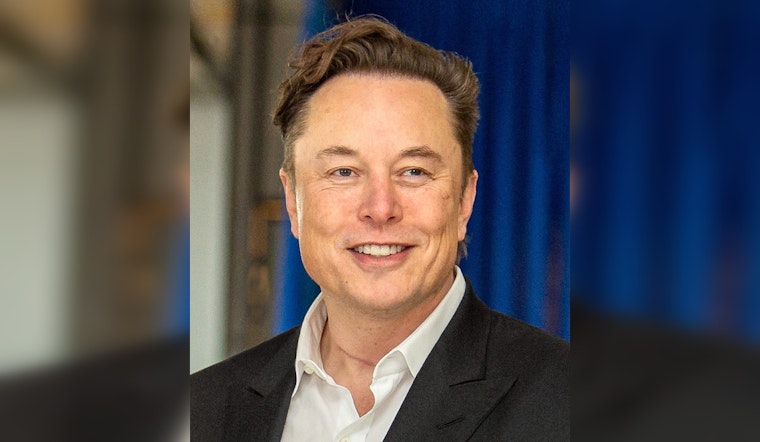
In a legal clash that's stirred up the tech and political waters, Elon Musk's social media enterprise X has taken a swing at Minnesota's regulations around election integrity, suing state Attorney General Keith Ellison over a law that clamps down on AI-manipulated content known as deepfakes. The contentious legislation, birthed in 2023 and aimed at protecting the electoral process from high-tech deception, now finds itself at the heart of a lawsuit filed by a company led by a figure who's no stranger to making headlines -- both for innovations and controversies.
Senator Erin Maye Quade, the lawmaker who pioneered the law, was quick to fire back, defending the statute and not mincing words when it came to the lawsuit's instigator, according to a statement released by her office, “Elon Musk funneled hundreds of millions of dollars into the 2024 presidential election and tried to buy a Wisconsin Supreme Court seat. Of course he is upset that Minnesota law prevents him from spreading deepfakes that meant to harm candidates and influence elections,” the statement read, not only addressing the suit but also alleging prior attempts by Musk to sway political outcomes.
The law, which Musk's company argues infringes upon free speech, sets a firm boundary on the utilization of AI to generate or disseminate fabricated content that could distort public perception during election cycles. Ellison's office has yet to respond publicly to the court filing, but the lawsuit initiates a broader conversation on the intersection of technology, free speech, and the integrity of democratic elections.
As the legal battle takes shape, all eyes will be on the outcome -- will the court uphold Minnesota's stance against these digital apparitions or will Musk's challenge pave a path for less restrained use of AI in political arenas; whatever the verdict, the implications are bound to ripple far beyond the Land of 10,000 Lakes, as states across the nation grapple with the digital dilemmas of our time.




_(cropped).jpg)