

























































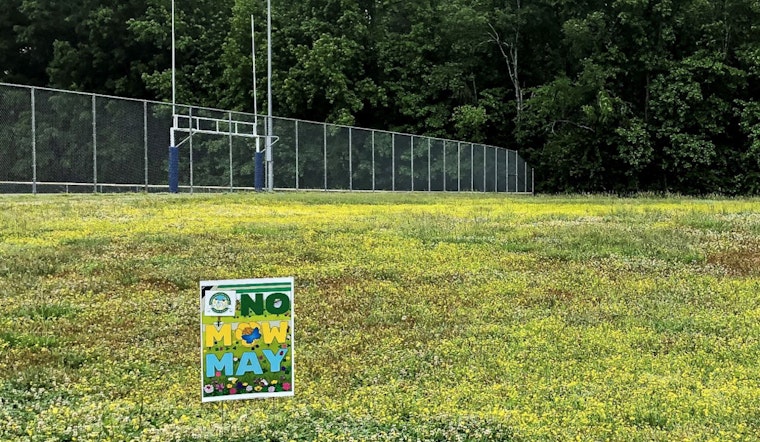
Residents of Carrboro are being encouraged to let their lawns flourish this May, as the town embraces the "No Mow May" initiative—a movement aimed at supporting the survival of bees and other pollinators by allowing flowering plants in select areas to bloom undisturbed. The Town of Carrboro's official announcement identified Wilson Park, Hank Anderson Park, Martin Luther King, Jr. Park, and the vicinity of Town Hall as the primary sites for the initiative, marked by Bee City USA No Mow May signs.
For those in Carrboro who choose to participate, the town's landscape codes offer flexibility for natural landscapes, and No Mow May presents an opportunity to set aside landscaping equipment like mowers, blowers, and edgers in favor of fostering quieter, cleaner alternatives or even redesigning gardens to become more welcoming to birds, bees, and butterflies the town landscape crew has noted that opting for all-electric equipment can be a boon for the environment by reducing noise, air, and carbon pollution, according to a statement obtained by SFist.
The impetus behind "No Mow May" is ecological; less frequent mowing allows grasses to grow and flowering plants to blossom, creating essential habitat and food sources for emergent pollinators. This comes at a crucial time as many pollinator species come out of hibernation in May, reliant on these first blooms for sustenance. Highlighting the benefits of reduced mowing, studies from Wisconsin have demonstrated a positive impact on local bee populations, with No Mow May participating yards showing three-times higher bee species richness and five-times higher bee abundance compared to mowed parks. Furthermore, Canadian researchers discovered that limiting mowing frequency may also help in reducing the prevalence of allergenic plants like ragweed.
In line with its partnership with Bee City USA, Carrboro has made updates to its Town Code to legitimize managed natural landscapes, with No Mow May being a prime example of how residents can get involved—the layers of potential benefits range from bolstering biodiversity by allowing a greater variety of plant species to thrive to providing pollinators with the resources they need for their survival.





