

























































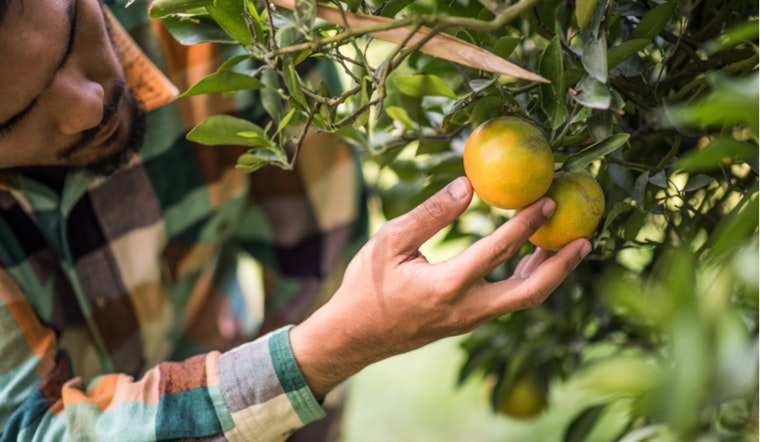
If you're strolling around the neighborhoods of Central Texas this time of year, you might just stumble upon a loquat tree. As noted in a recent post from the City of Austin's Urban Forest Program, these golden-orange delights are ripening up to deliver a sweet and tangy flavor that's often compared to apricots and peaches, with a subtle citrus kick. They typically come into season between March and May, turning a vivid orange-yellow when they're ready for picking.
The loquat, or Eriobotrya japonica, has been something of an unsung hero in the local fruit scene. But don't let their unassuming presence fool you; they're not only a treat to taste but also a boost for sustainable consumption. "When fully ripe, they turn a vibrant orange-yellow and become slightly soft to the touch," the Urban Forest Program article stated, extolling the virtues of these locally grown gems.
For those feeling culinary adventurous, loquats lend themselves to a variety of recipes. Whether you're cooking up a storm with some homemade jam, a tart fruit leather, or spicing up your salsas and chutneys, these fruits can do it all. And if you're feeling fancy, why not try them in an infused cocktail or syrup? Foraging for loquats isn't just a nod to nature - it's a chance to whip up something fresh and uniquely sustainable right in your own kitchen.
Don't worry if you don't have a tree of your own. Tools like the Falling Fruit online map are here to help urban foragers tap into local edibles. Just punch in your address and filter by 'loquat' to reveal nearby foraging spots. As the Urban Forest Program suggests, it's an excellent way to "reconnect with nature, reduce waste, and enjoy truly fresh, seasonal flavors." And for those who prefer the community spirit, a shout-out on NextDoor or your local Buy Nothing group often yields generous offers to share the bounty of these frequently overlooked fruit trees.
By embracing local agriculture, from loquats to backyard walnuts, Central Texans aren't just feeding themselves. They're cultivating a community ethos centered on sustainability and a shared admiration for the earth's produce. It's a simple, yet significant, endeavor that brings people together and transforms the way we look at our urban landscapes - one loquat at a time.





