

























































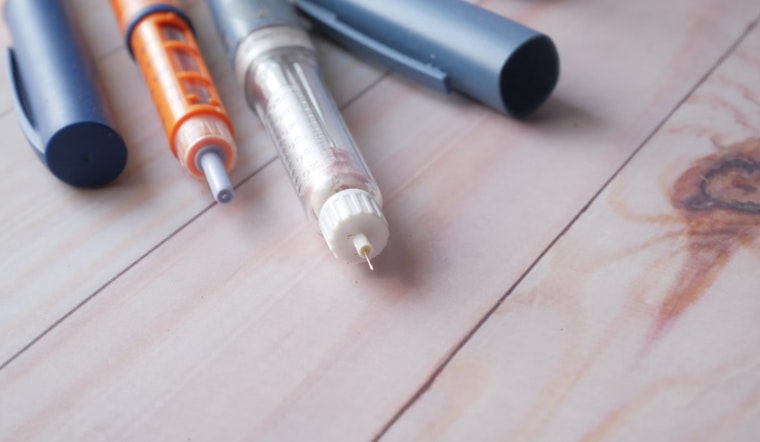
In a recent shift of federal policy, the FDA has put a stop to the sale of copycat versions of the weight-loss and diabetes drugs Ozempic and Wegovy at compounding pharmacies, rolling back an interim measure that had permitted the creation of more affordable compounded semaglutide injections, the active ingredient in these popular medications. This change follows a judge's decision to reject a bid by compounding pharmacies to continue offering their less expensive alternatives.
Previously, in response to a documented shortage of these medications, compounding pharmacies started offering a generic version of semaglutide to help fill the gap and provide a cheaper option to patients struggling with weight loss or diabetes management. Compound pharmacies provided these injections because they were less expensive than the commercial products, but after the FDA declared the shortage over in February, these pharmacies found their ability to continue offering semaglutide injections in jeopardy. Teresa Dickinson, owner of Melrose Pharmacy in Phoenix, expressed her concerns to FOX 10 Phoenix, stating, "It’s a struggle to stay in business right now as it is, and if you take the semaglutide injections away, it will definitely make things a lot tighter to stay in business." Dickinson will, however, continue to sell an oral form of semaglutide, available in a sublingual form, which is not currently available on the commercial market.
With the crackdown on semaglutide compounds, patients who have been relying on these alternatives for their health may face challenges both in affordability and accessibility. As NBC News medical contributor Dr. Natalie Azar detailed in an interview with TODAY, compounding pharmacies may look for workarounds, such as different dosages or combinations not offered in brand versions. She pointed out that, "They’re not technically allowed to, but it’s also unclear how much the FDA will enforce this new regulation."
The implications of this policy extend beyond pharmacy operations to the very health outcomes of patients who rely on GLP-1 drugs for weight management and diabetes control. A representative from Novo Nordisk, which makes Ozempic and Wegovy, has highlighted the risks involved with using unapproved versions of the drug, and the company is clearly invested in controlling the market for these therapies. Patients are now encouraged to explore other weight-loss drugs, consider patient assistance programs, or even think about weight-loss surgery as options, with hopes of being able to continue their health journeys despite this regulatory shift. However, according to TODAY, most people who discontinue a GLP-1 drug can expect to regain two-thirds of the weight they lost after a year.





