

























































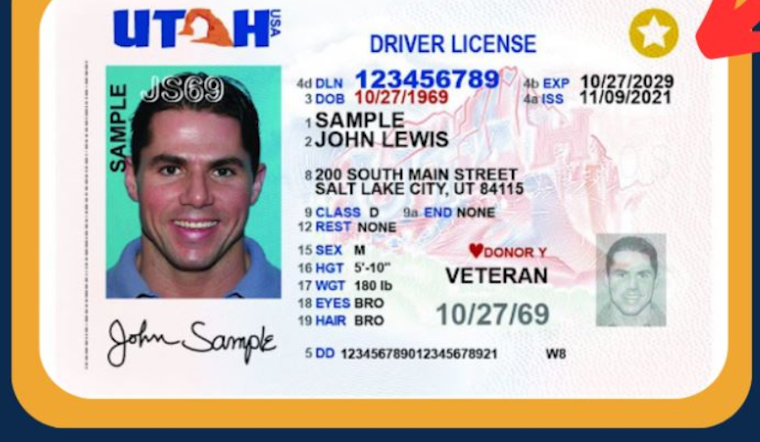
Time to check your wallets, Utahns. In a brief but significant reminder, TSA and Salt Lake City International Airport officials have issued a public service announcement regarding the upcoming REAL ID enforcement. Starting May 7, air travelers aged 18 and over will require a REAL ID-compliant piece of identification to fly within the U.S., according to TSA.
The clock's ticking louder as that deadline approaches. Matt Davis, the TSA Federal Security Director for Utah, stressed the urgency of the situation. "With enforcement of REAL ID set to begin in about two weeks, now is the time to confirm you have the proper photo identification needed to verify your identity the next time you travel by air," he advised, as per TSA. If a dash of gold in the top right corner of your Utah driver's license or state ID is visible, rest assured, it passes muster.
For the ill-prepared, stumbling through security on May 7 could mean delays, additional screening, or outright denial of access. Bill Wyatt, executive director of the Salt Lake City Department of Airports, suggests passengers "plan ahead and be prepared with the proper identification before arriving at the airport." Not just a cautionary heads up, these reminders act as bookends to potentially smoother travel experiences. Wyatt recommends travelers to hit the SLC airport two hours early for domestic flights and three hours in advance for international departures.
Lacking a REAL ID does not leave you dead in the water. TSA's got your back with a laundry list of acceptable IDs. Travelers can wield a U.S. passport, a Department of Homeland Security Trusted Traveler card such as Global Entry, military IDs, tribal issued ID cards, or a Transportation Worker Identification Credential, according to the TSA's guidelines. The REAL ID sprung from the dark aftermath of 9/11, designed as a safeguard against terrorism and identification fraud, with Congress mandating sharper identity verification in 2005.





