

























































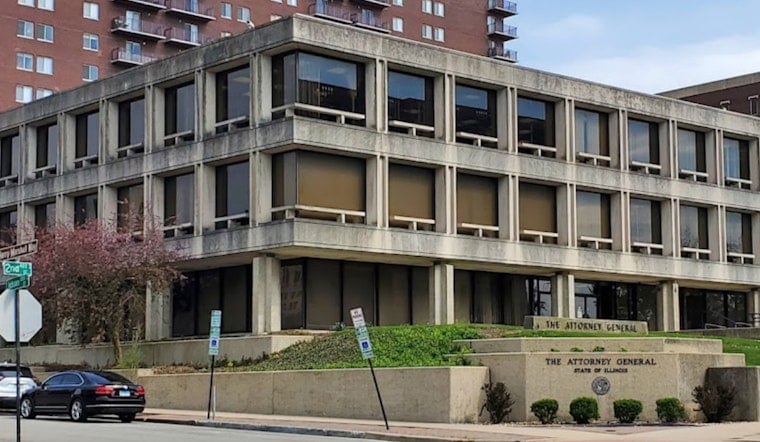
Attorney General Kwame Raoul has joined forces with a coalition of his peers from 18 states to file an amicus brief, rallying behind Cathy A. Harris, a Merit Systems Protection Board (MSPB) official who is fighting her alleged unlawful removal by President Donald Trump. According to a statement from the Illinois Attorney General's office, the Trump administration attempted to improperly oust Harris on February 10, an action a federal district judge has since declared illegal. Now, as the case reaches appellate court, the attorneys general are urging the decision to be upheld.
The significance of this coalition's action draws from the inherent role of the MSPB, which serves to uphold the merit principles essential to an impartial civil service, free from arbitrary and politically driven actions. Federal law dictates that an MSPB member can only be removed for causes such as inefficiency, neglect of duty, or malfeasance. The brief asserts that Trump's move to remove Harris did not align with these criteria and seeks to ensure the MSPB's ability to act independently. "States like Illinois rely upon the MSPB and its political independence to protect federal workers from political retaliation and other politically-motivated actions,” Raoul said in a press release.
The MSPB is an independent agency created by Congress, tasked with protecting federal employees against prejudiced actions, including political coercion. If the appellate court favors the coalition's argument, it would reaffirm the MSPB's role as a guardian of these merit-based principles.
Joining forces from all corners of the nation, the attorneys general representing states from Arizona to Washington stand in solidarity on the matter. In the brief, Raoul and his colleagues underline that “the protection of federal employees against “arbitrary action, personal favoritism, or coercion for political purposes.'” is paramount, pointing out that it's this principle that necessitates the MSPB's political independence. Moreover, they argue, it's the independence that grants them the protections necessary to safeguard members from being removed without just cause. In this endeavor, the brief holds not just an immediate consequence for Harris but also carries the broader implication for upholding states' reliance on the unbiased execution of federal agencies' duties.
The federal system’s integrity relies on fulfilling the promise of political independence, allowing civil servants to effectively manage the nuts and bolts of governance without looking over their shoulder for partisan hatchets poised to fall. As the wheels of justice grind onward, the terrace of checks and balances remains closely watched – the outcome of Harris v. Bessent hanging as yet another potential precedent in the ongoing quest for a civil service that sits shielded from the ever-eager grasp of political gameplay. The decision from the U.S. Court of Appeals for the D.C. Circuit remains pending.





