

























































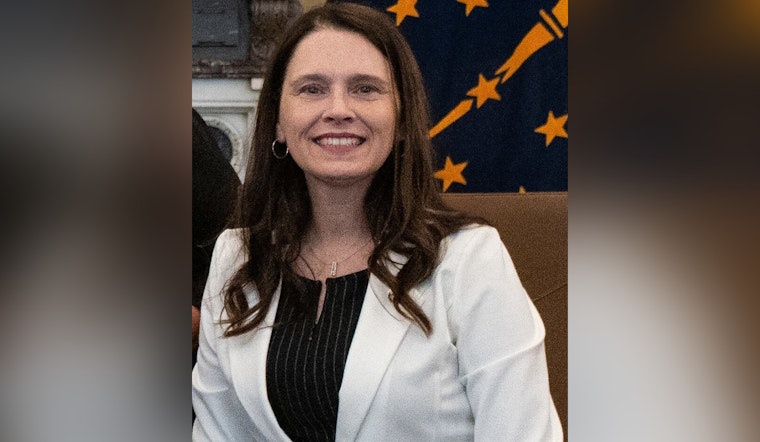
In an effort to combat the pressing deficit of child welfare workers in Indiana, State Rep. Elizabeth Rowray (R-Yorktown) is moving the legislative needle with the sponsorship of Senate Bill 498. Rowray's initiative arrives amidst a backdrop of over 1,300 unfilled positions within the Indiana Department of Child Services (DCS), which includes a critical shortfall of 130 case work supervisors, according to a report obtained by Indiana House Republicans.
Senate Bill 498 proposes an alteration of the educational prerequisites for casework supervisors, notably abandoning the necessity for graduate training and permitting qualification through completion of eight credit hours in master's-degree level coursework in select subjects. "These changes would make it easier for qualified individuals to advance into these important roles, allowing us to better serve the needs of our most vulnerable Hoosiers," Rowray said, as per the Indiana House Republicans report. The bill aims to broaden career opportunities and bolster support for at-risk children by easing the pathway for prospective supervisors, according to Indiana House Republicans' release.
The legislation also addresses the conditions for children's group home stays and shelter eligibility. Time limitations on a child’s maximum stay at a group home would be removed, allowing DCS discretionary power to issue waivers under certain circumstances. Furthermore, the bill aims to eliminate the age minimum for emergency shelters and adjusts terminology related to health records and medications within the definition of "licensee." As it stands, Indiana law only permits DCS to grant exceptions for children six and older to stay in an emergency shelter for a duration not exceeding 20 days, as per Indiana House Republicans.
These proposed changes signify a broader scope of flexibility in child welfare operations and are seen as a necessary response to the challenges of staffing and capacity. While the bill could potentially augment the number of casework supervisors by relaxing educational criteria, Elizabeth Rowray anticipates that such legislative adjustments will translate directly to enhanced aid for children in need, thus securing the fabric of child welfare in Indiana. The full ramifications of these adjustments, while yet to be seen, are hoped to usher in a more responsive and equipped child services structure in the state.





