

























































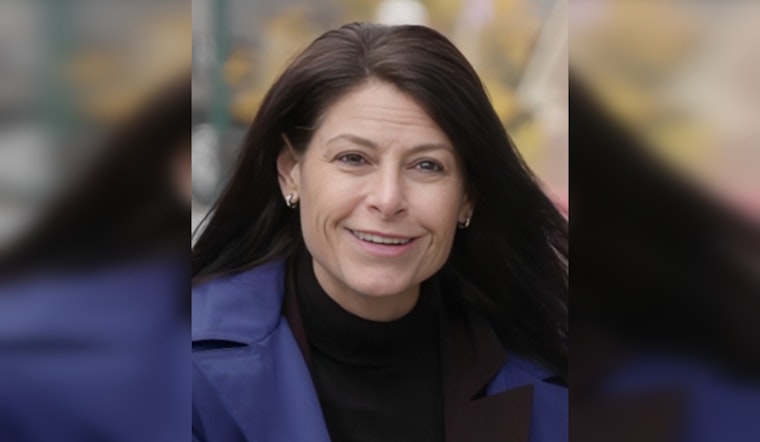
Michigan's top legal officer is raising her voice against the Trump Administration's policy perceived as an attack on free speech among noncitizen students and faculty. Attorney General Dana Nessel, alongside a coalition of 18 other attorneys general, has filed an amicus brief in American Association of University Professors, et al., v. Marco Rubio, et al. The legal document asserts that the Trump Administration's "Ideological Deportation Policy" stands in violation of the First Amendment, causing unnecessary damage to higher education and impinging upon public health and safety as well as freedom of religious worship, as reported by the Michigan Department of Attorney General.
This controversial policy, rooted in two executive orders (14161 and 14188), mandates that federal agencies assess foreign nationals seeking to enter the U.S. on ideological grounds, bypassing direct safety concerns. Furthermore, it commands investigation, detention, and potential deportation of noncitizen students and faculty for participating in political speech disfavored by the Administration. Michigan's AG describes this situation as "disturbing and unconstitutional," citing how it jeopardizes the state's 15 public universities and the very fabric of democratic exchange, according to the Michigan Department of Attorney General.
With over 700 visa revocations across noncitizen students, visitors, and residents, including cases based upon protected expression, the ripple effects are palpable. Students from at least 10 Michigan public universities find themselves in a churn of uncertainty, stripped of lawful immigration status and left to grapple with the risks of arrest, detention, and deportation, as stated by the Michigan Department of Attorney General.
Attorneys general from states ranging as far as California, New York, and Hawai‘i have thrown their legal weight behind the challenge. They argue that the policy's vague language around prohibited speech stokes fear and self-censorship in noncitizen residents, stifling research and academic discourse. The coalition states, as seen in their brief, have a vested interest, both economically and culturally, in the inputs and innovation these individuals bring. They underline the policy's "irreparable harm" and call upon the court to block it in service of the states and the public interest, according to documents from the Michigan Department of Attorney General.
The court has yet to respond to the coalition’s request for an injunction against the Executive Orders underpinning the policy in question. The decision will prove critical for many within academic circles and has broader implications for the ongoing national dialogue on immigration and free expression.




.jpg)