

























































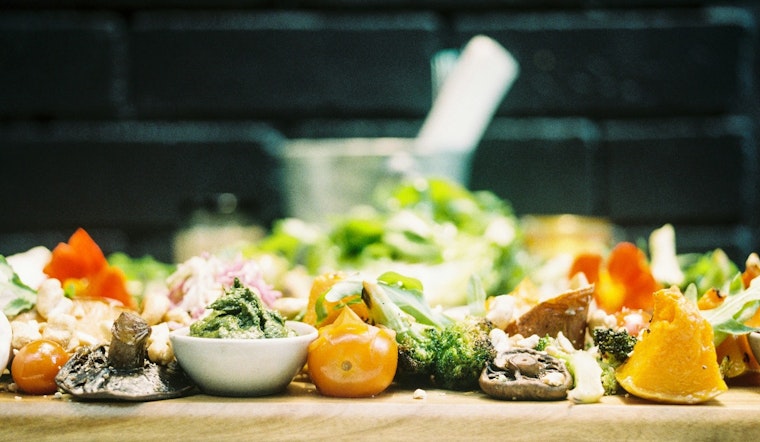
In Minneapolis, the fight against food waste is ramping up with a city-backed initiative poised to equip local restaurants with the tools they need to minimize their environmental impact. Homegrown Minneapolis, in line with the Minneapolis Food Action Plan, has set its sights on addressing the reported 35,000 tons of food waste generated by its restaurants per year.
Mark April 7 through 13 on your calendars, as it represents not just the advent of spring but also Food Waste Prevention Week. During this time, Homegrown's Wasted Food Action Team is offering an '86 Food Waste' event for restaurant stakeholders: owners, managers, and staffers. The event promises to impart "actionable strategies to make an impact," citing a Homegrown News release. Here, participants can expect to dive into methods for preventing wasted food, explore opportunities to donate surplus edibles, and understand composting practices best suited to their operations.
Motivating this vigor is a recent financial boon—the City of Minneapolis has been the beneficiary of a USDA Composting and Food Waste Reduction Cooperative Agreement. The fresh injection of funds is directed toward a two-year project with goals to double down on the city's engagement with restaurants and augment their sustainability protocols. Training, coaching, and a wealth of resources are part of the comprehensive package promised to participants.
And while the cuisine-focused might revel in the prospects of a more eco-friendly culinary scene, environmental stewardship reaches further into the fabric of Minneapolis' community landscape. The Homegrown Minneapolis Food Council, an entity committed to the vision of an environmentally sustainable and socially just food system, opens its doors on April 9 at Powderhorn Park. According to a Homegrown News bulletin, each meeting incorporates a food theme, and attendees are encouraged to bring and share dishes that align with the motif.
It's not just the seasoned professionals getting into the mix. The upcoming Seed Circles event, in collaboration with Plant Grow Share, offers an opportunity for community members to sort and repack seeds for distribution. This, alongside a myriad of other garden-centric gatherings detailed by Homegrown News, exhibits a grassroots level commitment to empowering residents in sustainable agriculture and urban farming—an ethos that is reflected in the work of local nonprofits like Appetite for Change.
The city's efforts also extend into the realms of education and support systems. A notable public health initiative, the Public Health Community Institute (PHCI) runway, aims to build capacity among residents for managing public health services, with a special emphasis on reducing health disparities. Training spans various practical domains, including grant writing and financial management, and offers participants the chance to apply for funding to lead their own community projects.
Of course, none of this precludes a nod to the arts and enjoyment of local flavors, as evidenced by the anticipated Gather, Graze, & Grow fundraiser for the Midtown Farmers Market. Synthesizing gustatory pleasures and communal appreciation for fresh, local produce, the event serves as a reminder of the intertwined nature of food sustainability and community vitality.
With these initiatives and more, Minneapolis sets an example of a multifaceted approach to fostering an ecosystem where food is not just consumed but thoughtfully integrated into every aspect of urban life. Be it through mitigating waste, nurturing green spaces, or fueling philanthropic endeavors, the city remains a testament to the fact that sustainable food systems don't materialize in vacuums—they sprout at the confluence of collective effort and civic engagement.



