

























































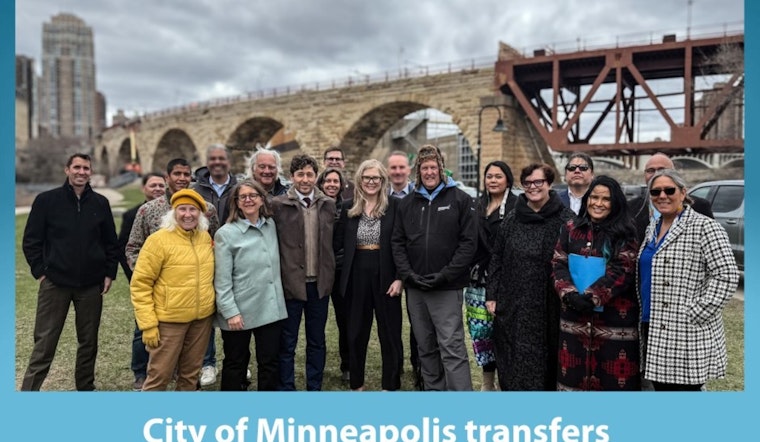
In a landmark decision that reflects a measure of restorative justice, the City of Minneapolis has confirmed that the sacred land known as Owámniyomni Okhódayap will be returned to the Dakota people. This move comes after years of discussion and partnership involving the city, federal leaders, the U.S. Army Corps of Engineers (USACE), the Minneapolis Park and Recreation Board (MPRB), and the four Dakota tribes of Minnesota. The official announcement from the City of Minneapolis Government highlighted the nearly decade-long effort of collaboration that resulted in this historic transfer, a step many see as a long-overdue act of reconciliation.
According to details shared on the city's social media page, the plan for the land will maintain its spiritual and cultural significance for the Dakota people and the broader community while providing opportunities for education and remembrance, the details of what exactly will be done with the land have yet to be fully elaborated but it represents a significant gesture in recognizing the historic trauma and cultural erasure faced by indigenous communities across the nation, especially in places with deep ancestral connections such as the land at the heart of this transfer.
Further information on the future plans for the space can be found at the Minneapolis City Government's official website, where individuals can learn more about the implications of the land transfer and potential developments. This development is poised to become a pivotal moment in the ongoing national conversation about the rights and recognition of indigenous peoples in the United States, as it not only represents the return of land but also the restoration of sovereignty in a small yet symbolically immense manner.
The process, according to the City of Minneapolis, has been characterized by a spirit of shared understanding and commitment to the restitution for past wrongs the joint effort of all parties involved shows not just an acknowledgment of the historical significance of the Dakota people's claim to the land but a genuine effort to forge a path of healing and mutual respect, the efforts undertaken here may serve as an exemplar to other cities and communities grappling with similar issues of historical injustice and the ongoing struggles of Native Americans to reclaim their land and rights.



