

























































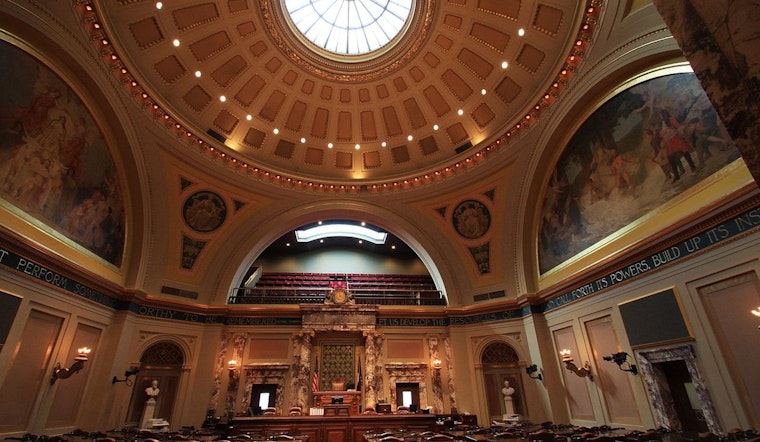
Streets may soon echo with the clinking of glasses and buzz of outdoor socializing if social districts become a reality across Minnesota. Legislation pushed by Senator Aric Putnam, which allows cities to issue social district licenses, successfully woven its thread through the intricate legislative fabric on Monday. As part of a broader bipartisan liquor policy package, the measure passed in the Senate with significant support.
The bill, known as Senate File 2511, broadens the concept of social districts statewide following its initial trial in the city of Anoka back in 2022. Later, Shakopee and Stillwater also received the nod to experiment with this community-centric approach to public drinking. Thanks to the legislation, Minnesotans may be able to sip their favorite alcoholic beverages in specified public areas without the confines of bar walls. It will enable them to mingle freely outdoors, bolstering businesses and enlivening downtown districts, as highlighted by the successful Anoka model, according to the Minnesota Senate DFL’s release.
Putnam expressed his optimism about the potential benefits for towns like St. Cloud and St. Joseph. "This bill gives other towns, like St. Cloud and St. Joseph, the same shot to create spaces where neighbors and visitors alike want to gather, connect, and enjoy what makes their community special," he conveyed in a statement obtained by the Senate DFL publication. The intention of the bill is not just to ignite the local economy but also to imagine a communal space where folks can revel in the unique spirit of their hometowns.
Provisions to maintain order and safety are sewn into the fabric of the proposal, ensuring that social districts won't devolve into chaotic free-for-alls. Cities will need to delineate the boundaries for where libations can legally be enjoyed and set specific days and hours for alcohol consumption, and post conspicuous signage within their designated districts. Moreover, they will require maintenance plans to keep the areas orderly and welcoming. Among those sounding in with support were more than 1,900 businesses and affiliates, recognizing the positive economic ripples this initiative might generate, as reported by the Senate DFL’s release.
The Senate's nod of 53-12 aligns with a collective yearning to reform and revitalize urban spaces post-pandemic—a gesture towards an emerging consciousness of what public spaces could look like when infused with communal participation and business incentive. With the legislation now perched at the doorstep of the House for consideration, Minnesota cities are on the brink of embracing a novel social structure, reshaping nightlife and community interaction for the foreseeable future.




